
Noble vs Tudei Kava: Key Differences Explained
Compare how each type differs in effects, onset, and overall experience so you can choose the option that feels right for you.
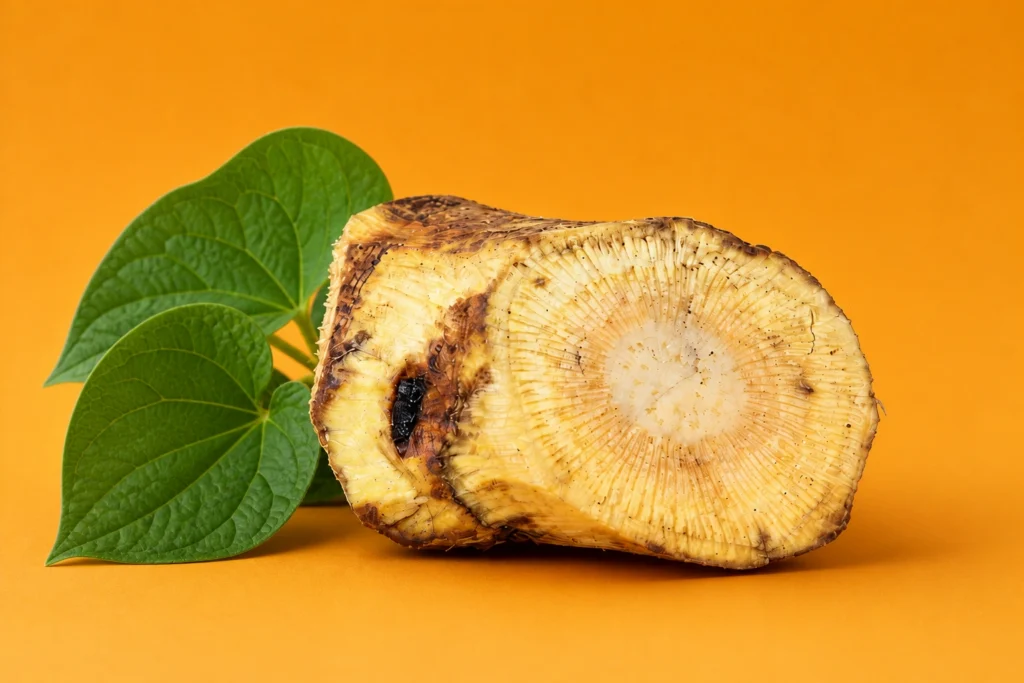
Table of Contents:
- What is Kava?
- Noble Kava
- Non-Noble Kava
- Key Differences
- Effects
- Safety

Edibles

Flower
Pre-Rolls
Kava is a root derived from the Piper Methysticum plant, which has been grown across the South Pacific for hundreds of years in places such as Fiji, Polynesia and Melanesia. While it has traditionally been used for ceremonial rituals and family gatherings, it has recently become popular in Western culture due to the calming and mood-setting qualities it provides consumers.
Noble Kava
The word “Noble” is not only the tradition of Kava, but also how the plant is grown, harvested, and the effects it produces. The classification is based on the chemical composition of the kava root, particularly its kavalactone content. Noble Kava is considered the safest and most desirable to consume due to its predictable, smooth, and calming effects, making it the best choice for long-term consumption.
Non-Noble Kava
“Non-Noble”, often called ‘Tudei’ (pronounced “two-day”) is generally lower quality and has unpredictable results. The nickname “Tudei” comes from the prolonged effects that typically last up to 48 hours, and the effects are harsher and more intense than often desired. The chemical composition of non-noble kava is significantly heavier, and the body typically has a harder time processing it, raising concerns for daily consumption.
Key differences
The key difference between Noble and non-noble Kava is which kavalactones take the lead. There are about 6 different compounds that make up the kava plant called Kavaloctones. Each plant has all 6, but in different amounts, and these are what give the effect we feel when consumed. Noble Kava is going to be higher in Kavain, which is what produces the clean, calm, and relaxing effect, popular for anxiety relief. Non-Noble Kava is typically reversed and higher in Dihydromethysticin and Dihydrokavain, which are 2 of the heavier compounds from the plant, making it difficult for the body to process, and is the reason for lingering effects.
Effects & Benefits
Warning — Noble Kava consumption may lead to a stress-free, socially elevated experience!
Due to kava’s euphoric, relaxing effects without the hangover, it’s no wonder it has gained such popularity! Whether you want to enjoy a night out with friends or stay inside to relax, Noble Kava delivers a consistent calming result that won’t leave you feeling groggy. Noble Kava can help reduce anxiety, enhance sociability, and promote relaxation without heavy sedation or next-day hangovers.
Non-Noble Kava is known to have lingering effects such as grogginess, nausea, and sometimes upset stomach. Non-noble is considered low quality and not recommended for long-term use.
How to Use Kava Safely
Long-term users should avoid consuming alcohol or other liver-affecting substances while consuming any kava. High-quality products are solvent-free and confirmed through third-party testing. It is crucial to source kava from reputable vendors who guarantee their products are “noble-only” for best results.
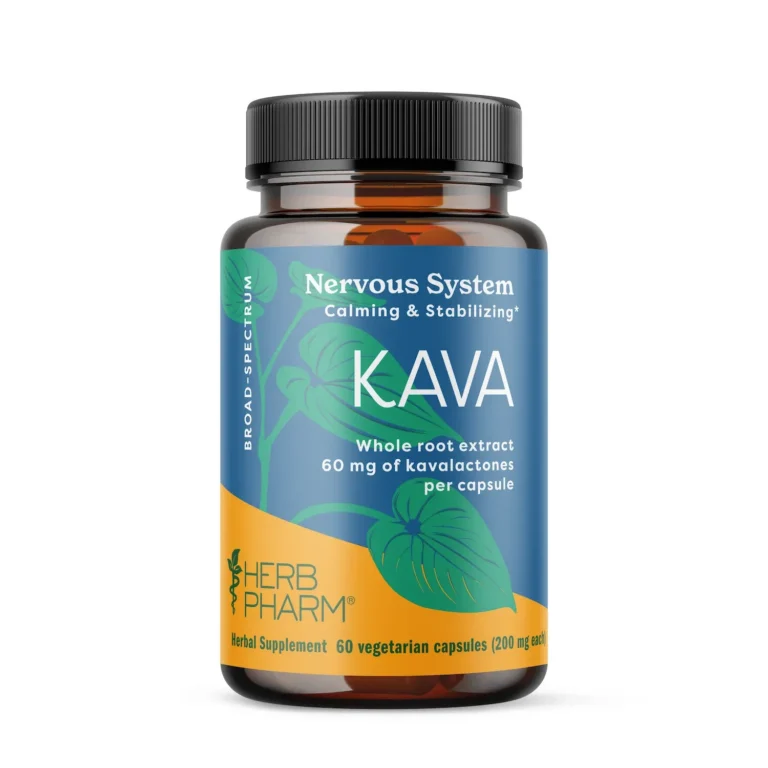
Promotes peaceful relaxation, reduces stress and frustration. Made with the noble variety of Kava.
Frequently Asked Questions:
What is Noble Kava?
Noble Kava is a higher-quality form of kava known for smoother, cleaner, and more predictable calming effects.
What is non-noble Kava?
Non-noble Kava, often called Tudei, is generally considered lower quality and may produce harsher, longer-lasting effects.
What makes Noble Kava different from non-noble Kava?
The main difference is kavalactone composition. Noble Kava is typically higher in kavain, while non-noble Kava often contains heavier compounds linked to lingering effects.
Why is Noble Kava preferred?
Noble Kava is preferred because it supports calm, relaxation, and sociability without the heavy grogginess often associated with lower-quality kava.
Is non-noble Kava safe for regular use?
Non-noble Kava is not generally recommended for long-term use because it may cause lingering effects like grogginess, nausea, or stomach discomfort.
How can I choose a quality kava product?
Look for reputable vendors that confirm their products are noble-only, solvent-free, and third-party tested for quality and safety.