
The Best Herbs for Common Cold Relief
Discover herbs commonly used for cold support and how they may help with congestion, cough, recovery, and overall comfort during illness.

Table of Contents:
- Herbs for Common Cold Support
- Echinacea for Early Immune Support
- Elderberry for Symptom Duration Support
- Ginger for Congestion and Circulation Support
- Peppermint for Breathing Comfort
- Thyme for Cough Support
- Garlic for Immune System Support
- Chamomile for Rest and Recovery Support
- Building a Simple Herbal Routine That Supports Recovery

Edibles

Flower
Pre-Rolls
Herbs for Common Cold Support
More and more people every day are exploring natural options alongside conventional care for relief from mild illnesses like the common cold. While natural options can’t necessarily cure a cold, some herbs may be helpful in support and comfort while your immune system does its job.
Most common colds are caused by respiratory viruses, and symptoms like congestion, fatigue, sore throat, and cough are part of the body’s natural response to infection. Because of that, the goal of herbal support isn’t to “knock out” the illness overnight. Instead, it’s about helping your body stay comfortable, rested, and balanced while recovery happens.
Some herbs have stronger clinical backing than others. Some are best used at the first sign of symptoms. Others may work better for you later in the illness. Understanding those differences makes it easier to choose what actually fits your routine.
Let’s look at seven herbs commonly used during the cold and flu seasons and what current research suggests about how they may help.
Echinacea for Early Immune Support
Echinacea is one of the most widely studied herbs for cold-season support. It’s often used when symptoms first begin rather than after a cold is already fully established.
A large meta-analysis of clinical trials found that echinacea may reduce the odds of developing a cold and shorten symptom duration by about 1.4 days when used early in illness.
That timing matters. Many people keep echinacea on hand specifically for the first signs of:
- scratchy throat
- fatigue
- mild congestion
- early sinus pressure
Echinacea appears to support immune signaling pathways rather than acting directly on viruses themselves. Because of that, it’s usually most helpful when introduced quickly.
Not everyone responds the same way, and product quality varies significantly between brands. Still, echinacea remains one of the most researched herbs for common cold remedies.
Elderberry for Symptom Duration Support
Elderberry is one of the most popular herbal options used during respiratory illness season. It’s rich in antioxidants and plant compounds that may support immune activity during viral infections.
There are controlled studies that suggest elderberry supplementation can reduce the duration and severity of upper respiratory symptoms, although researchers still consider the evidence preliminary overall.
People often use elderberry when experiencing:
- sinus congestion
- fatigue
- sore throat
- general cold discomfort
Because elderberry products vary widely in strength and preparation method, consistency depends heavily on choosing reliable formulations.
It’s also worth remembering that elderberry is best viewed as supportive rather than curative. Like most herbs for the common cold, it works best alongside rest, hydration, and sleep support.
Ginger for Congestion and Circulation Support
Ginger has been used traditionally across many cultures as a warming herb during illness. It’s especially popular in teas prepared during early respiratory symptoms.
One reason ginger fits well into cold-season routines is its role in supporting circulation and comfort while the body responds to infection. Warm ginger tea is commonly used when symptoms include:
- chills
- sinus pressure
- throat irritation
- sluggish energy
Because ginger can be used as food, tea, or a supplement, it’s one of the easiest herbs to incorporate into everyday routines without needing specialized preparation.
Many people pair ginger with honey and lemon during the cold season simply because it supports hydration and warmth at the same time.
Peppermint for Breathing Comfort
Peppermint is often associated with digestive support, but it also plays a helpful role during respiratory illness.
Its naturally occurring menthol compounds create a cooling sensation that may make breathing feel clearer during congestion. That sensation doesn’t remove mucus directly, but it can improve perceived airflow comfort.
Peppermint tea or steam inhalation is commonly used when symptoms include:
- nasal congestion
- sinus pressure
- mild headaches
- throat irritation
Because peppermint works primarily through sensory pathways rather than immune signaling, it pairs well with other herbs for common cold support routines.
Thyme for Cough Support
Thyme has a long history of traditional use for respiratory comfort, especially when coughing becomes persistent or irritating.
Some herbal preparations containing thyme are used in Europe for cough relief associated with upper respiratory illness. While research is still developing, thyme continues to appear in many traditional respiratory herbal blends.
People often reach for thyme when experiencing:
- dry cough
- throat irritation
- chest tightness
- lingering cough after congestion improves
Warm thyme tea remains one of the simplest ways to incorporate this herb into a cold-season routine.
Garlic for Immune System Support
Garlic is widely used both as a food and as a traditional wellness herb. Its sulfur-containing compounds are thought to support immune system signaling involved in responding to infection.
Some clinical studies suggest garlic supplementation may reduce the frequency of colds in certain populations, though results remain mixed and depend heavily on preparation method.
Still, garlic fits easily into everyday routines because it can be added directly to meals during illness recovery periods.
Many people increase garlic intake during the cold season simply because it supports:
- immune activity
- circulation
- overall wellness habits
Like ginger, garlic works especially well as part of a broader lifestyle approach rather than a single-herb solution.
Chamomile for Rest and Recovery Support
Chamomile is sometimes overlooked in cold-season routines, but rest is one of the most important parts of recovery. Compounds like apigenin are believed to interact with receptors involved in relaxation and sleep signaling. Chamomile tea supports relaxation and nighttime comfort, which indirectly helps the immune system function more efficiently.
Better sleep often improves:
- recovery time
- inflammation balance
- daytime energy
- throat comfort
Chamomile also pairs well with honey during evening routines when cough symptoms are more noticeable at night.
Supporting sleep may not feel like an “active” cold strategy, but it’s one of the most reliable ones.
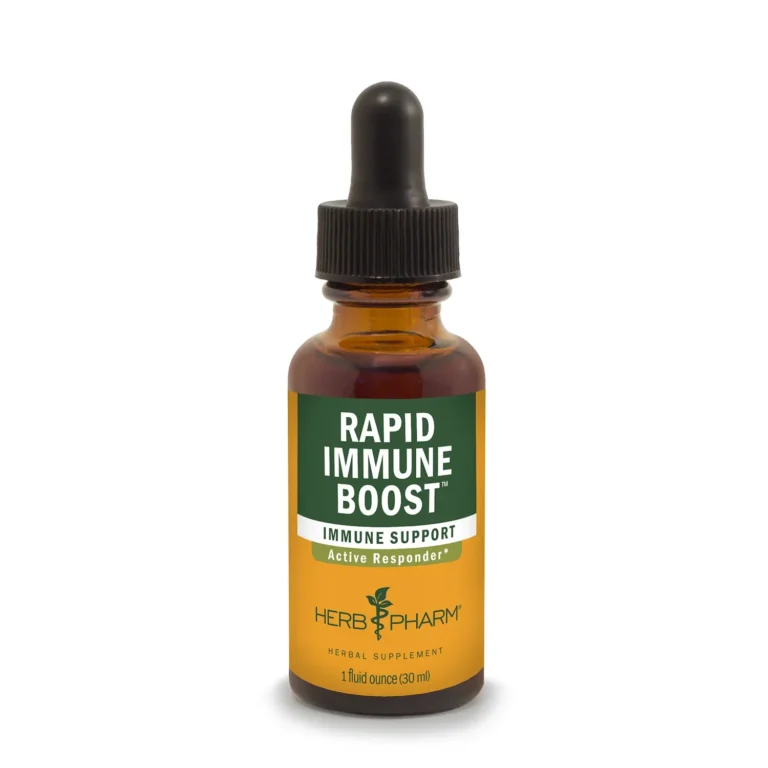
A potent liquid herbal extract crafted from a diverse blend of immune-supporting botanicals.
Frequently Asked Questions:
Can herbs actually cure the common cold?
No. The common cold is caused by viruses, and herbs are not a cure. However, some herbs may help support comfort, immune response, and recovery while your body fights the infection.
When should you start using herbs for cold support?
Many herbs are most effective when used at the first sign of symptoms, such as fatigue, a scratchy throat, or mild congestion. Starting early may improve how well they support your body during illness.
Is it safe to combine multiple herbs for a cold?
In many cases, herbs can be combined as part of a routine, especially when used as teas or foods. However, it’s important to be mindful of potential interactions, particularly if you are taking medications or have underlying health conditions.
How long does it take for herbal remedies to work?
Herbs typically provide gradual support rather than immediate relief. Some people notice comfort improvements within a day or two, while others benefit more from consistent use throughout the illness.
Which herb is best for cold symptoms overall?
There is no single “best” herb. Different herbs support different symptoms. A combination approach is usually more effective than relying on one herb alone.
When should you see a doctor instead of using herbal support?
You should seek medical care if symptoms last more than several days without improvement, become severe, or worsen instead of improving. Herbs are best for mild, short-term support, not serious illness.
Building a Simple Herbal Routine That Supports Recovery
When exploring herbs for common cold support, the goal usually isn’t to rely on a single ingredient. Most people benefit more from combining simple habits that support hydration, rest, and immune balance together.
For example:
- morning routines might include ginger tea or garlic-rich meals
- daytime support may include peppermint tea or hydration strategies
- evening routines often benefit from chamomile or elderberry products
Always keep in mind that herbs aren’t a miracle cure; if your symptoms persist or worsen after a few days, contact your doctor for medical advice. Common illnesses always carry the possibility of developing into something more severe that could require medical intervention.
At Nurse Wellness, we usually encourage starting with consistency instead of complexity. Simple daily support tools like CBD tinctures or gummies can help maintain sleep quality and stress balance during illness recovery periods, which can indirectly support immune resilience when your body needs it most.
Some people also find that keeping routine-friendly wellness options nearby makes it easier to rest when symptoms first begin rather than pushing through early fatigue signals.
Cold season rarely requires complicated routines. Most recovery support comes from steady habits, hydration, and choosing gentle tools that help your body stay comfortable while it works through the illness naturally.