
Kava vs Alcohol: What Are the Differences?
Compare the effects of kava and learn why more people are exploring alcohol-free alternatives for relaxation.
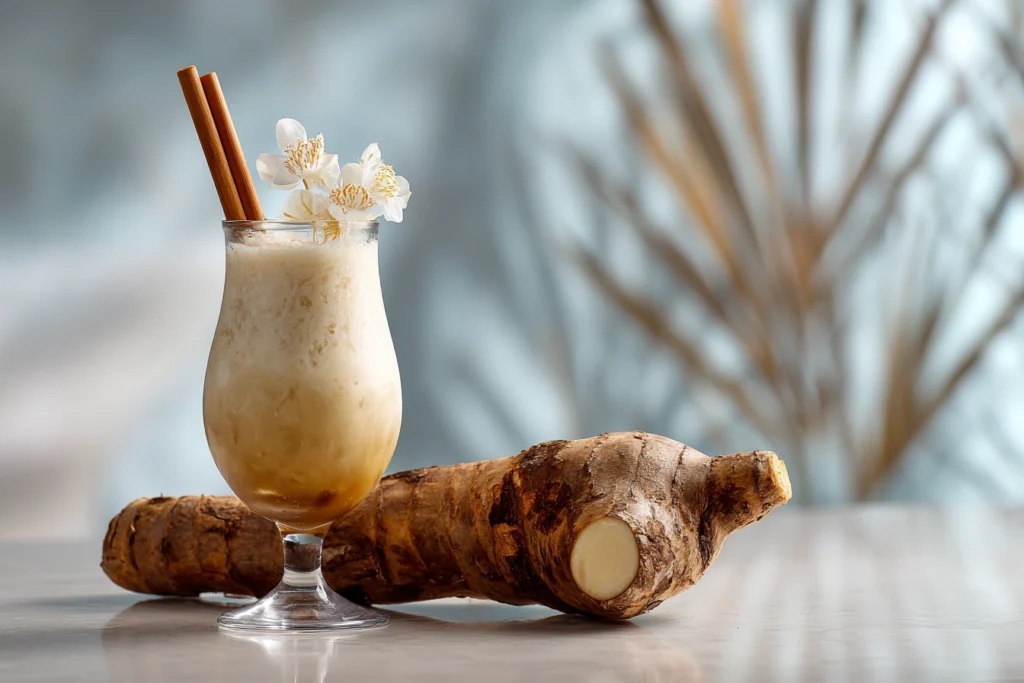
Table of Contents:
- Why More People Are Comparing Kava vs Alcohol
- What Is Kava and How Does It Work?
- How Alcohol Affects the Brain and Body
- Kava vs Alcohol: Comparing the Effects
- Social Experiences and Relaxation Benefits
- Safety Considerations and Potential Risks
- Next-Day Recovery, Productivity, and Wellness
- Which Option Is the Better Choice for Your Lifestyle?

Edibles

Flower
Pre-Rolls
For generations, alcohol has been one of the most common ways people unwind after a stressful day, celebrate special occasions, or engage with friends socially. With that being said, expanding recognition of alcohol’s effects on sleep, recovery, mental clarity, and overall long-term health has led many people to explore alternative options.
One option that continues to gain popularity is kava. Traditionally adopted throughout the South Pacific for centuries, kava is known for inducing feelings of relaxation, calmness, and sociability without the same level of intoxication typically associated with alcohol.
As more consumers pursue mindful ways to relax, the conversation around kava versus alcohol has become more and more common. Many people want to know whether kava can provide a similar social experience, how the effects compare, and whether it offers meaningful advantages over drinking alcohol.
The answer isn’t as plain and simple as declaring one universally better than the other. Both substances affect the body differently, carry their own risks, and may be appropriate or inappropriate, depending on the person’s individual goals and overall health status.
In this blog, we will take a closer look at the science, benefits, drawbacks, and lifestyle considerations surrounding kava versus alcohol so you can make a more educated choice.
Why More People Are Comparing Kava vs Alcohol
Consumer opinions about alcohol have shifted substantially in recent years. Many people are becoming more conscious of how drinking affects their energy, sleep quality, fitness goals, productivity, and overall wellness.
The expansion of wellness-focused lifestyles has motivated people to look for alternatives that support relaxation without the downsides commonly associated with alcohol consumption.
Some typical reasons people explore kava include:
- Dodging hangovers
- Supporting better sleep quality
- Maintaining mental clarity
- Lowering calorie intake
- Participating in alcohol-free social settings
- Supporting wellness-focused lifestyles
While alcohol continues to be deeply embedded in many cultures and social traditions, alternatives like kava are attracting attention because they may promote relaxation and a socially charged battery without many of alcohol’s typical undesirable effects.
Understanding and comprehending how each substance works is the first step in making a meaningful comparison and decision.
What Is Kava and How Does It Work?
Kava is a beverage traditionally prepared from the roots of Piper methysticum, which is a plant native to islands throughout the South Pacific.
For centuries, communities in Fiji, Vanuatu, Tonga, Samoa, and other Pacific Island nations have used kava in ceremonial, social, and cultural settings. The primary active compounds in kava are known as kavalactones.
Researchers believe kavalactones interact with several neurological pathways involved in mood regulation and relaxation. Although scientists continue studying the exact mechanisms, evidence suggests kava may influence neurotransmitter systems that are linked with calmness and stress reduction.
Commonly reported effects of kava include:
- Relaxation
- Decreased feelings of stress
- Mild mood enhancement
- Enhanced sociability
- Physical relaxation
- A sense of calm alertness
Interestingly, kava does not typically produce the profound cognitive impairment connected to moderate to heavy alcohol consumption when used responsibly.
However, everyone is built differently. Individuals can respond differently depending on dosage, product quality, body weight, and overall personal sensitivity.
How Alcohol Affects the Brain and Body
Alcohol is a central nervous system depressant that affects several neurotransmitter systems throughout the brain.
Initially, alcohol may produce feelings of:
- Relaxation
- Increased sociability
- Enhanced mood
- Heightened confidence
These effects help explain why alcohol has long been associated with social gatherings and celebrations. Nevertheless, alcohol’s impact becomes more pronounced as consumption increases.
Higher levels of alcohol intake may result in:
- Impaired judgment
- Slower reaction times
- Lowered coordination
- Memory disruptions
- Cognitive impairment
- Ineffective decision-making
Alcohol also impacts numerous bodily systems beyond the brain, including the liver, cardiovascular system, digestive tract, and immune function.
Long-term heavy alcohol consumption is tied to significant health risks and is known as a major public health concern worldwide.
This distinction is crucial when evaluating kava vs alcohol, as the two substances affect the body through very different mechanisms.
Kava vs Alcohol: Comparing the Effects
One of the major differences between kava and alcohol lies in how users typically feel after ingesting it.
Relaxation
Both substances are frequently used to aid relaxation. Alcohol often creates an initial sense of calm by depressing nervous system activity.
Kava, on the other hand, is typically linked with relaxation without producing the same level of intoxication. Many consumers portray kava’s effects as helping them to feel relaxed yet mentally present and aware.
Mental Clarity
Alcohol consumption can impair concentration, memory, and decision-making, especially as blood alcohol levels increase.
Kava typically produces less cognitive impairment than alcohol when consumed responsibly, though higher amounts may still cause drowsiness or reduced alertness.
Coordination
Alcohol significantly affects motor coordination and reaction time.
Kava may affect coordination at higher doses, but the level of impairment is typically lower than that associated with moderate or heavy drinking.
Mood
Both substances may improve mood and reduce social anxiety for a short period of time.
However, alcohol’s effects can become unpredictable as consumption increases.
Kava’s effects are often described as steadier and more subtle when consumed correctly.
Aggression and Behavioral Changes
Alcohol can potentially support aggressive behavior, impulsivity, and emotional volatility in some people.
Kava has not often been connected with aggression and is commonly described as facilitating calm social interaction.
Social Experiences and Relaxation Benefits
One reason people frequently compare kava with alcohol is that both are often consumed in social settings.
Alcohol has traditionally served as a social lubricant by lowering inhibitions and reducing self-consciousness.
However, those same effects can sometimes contribute to:
- Faulty decision-making
- Impulsive behaviors
- Social conflict
- Embarrassing situations
- Missing memory gaps
Kava offers a different social experience.
Traditional kava ceremonies emphasize conversation, community, connection, and relaxation rather than intoxication.
Many people report feeling:
- More sociable
- Less frazzled
- More engaged in conversation
- Calmed without feeling “out of control”
While experiences differ, kava’s recognition as a social beverage stems largely from its ability to encourage a calm and connected atmosphere.
Kava bars and alcohol-free social spaces have grown in popularity throughout the United States and other countries.
Safety Considerations and Potential Risks
No discussion of kava vs alcohol would be complete without examining safety.
Alcohol Risks
Alcohol’s risks are well documented and include:
- Impaired driving
- Enhanced accident risk
- Alcohol poisoning
- Addiction and dependence
- Liver or kidney disease
- Cardiovascular complications
- Sleep disruption
- Cognitive impairment
Risk typically increases with both frequency and quantity of consumption.
Kava Risks
Kava is not risk-free.
Potential concerns include:
- Drowsiness
- Gastrointestinal discomfort
- Dizziness
- Interaction with medications
- Impaired alertness at higher doses
There have also been historical concerns regarding liver toxicity.
Current evidence suggests the risk may be influenced by factors such as extraction methods, product quality, plant parts used, and individual susceptibility. Researchers continue to study this topic.
Due to these uncertainties, people with liver conditions or those taking medications should consult a healthcare professional before using kava.
Mixing Kava and Alcohol
One crucial safety point is that kava and alcohol should not be mixed.
Both substances may have sedative properties, and combining them could escalate impairment and potentially place additional stress on the body.
Anyone using kava should avoid consuming alcohol simultaneously.
Next-Day Recovery, Productivity, and Wellness
Potentially, the most significant difference in the kava vs alcohol discussion involves what happens the next day.
Many alcohol consumers are familiar with symptoms such as:
- Fatigue
- Headaches
- Dehydration
- Clouded thinking
- Decreased productivity
- Low-quality exercise performance
- Sleep disturbances
These effects can occur even after limited alcohol intake. Kava users commonly report fewer next-day effects compared to alcohol. Many individuals find they can take pleasure in relaxation in the evening while maintaining elevated clarity and productivity the next day.
However, experiences vary between individuals, and excessive kava consumption may still lead to grogginess or fatigue in some consumers.
From a wellness perspective, many users see kava as a way to support relaxation without compromising next-day functioning.
This distinction is a major reason why curiosity in kava continues to rise among health-conscious adults.
Which Option Is the Better Choice for Your Lifestyle?
When comparing kava against alcohol, the better choice depends greatly on your personal goals.
If your target is:
- Relaxation
- Social connection
- Mental clarity
- Productivity
- Wellness-focused living
Kava may align more closely with those objectives.
If you enjoy occasional alcohol consumption and do so responsibly, moderate drinking may still fit within your individual lifestyle.
However, many individuals searching for alternatives are specifically looking to reduce alcohol related drawbacks such as:
- Hangovers
- Sleep disruption
- Cognitive impairment
- Decreased recovery
- Excess calories
For these consumers, kava often presents an appealing option.
The most significant consideration is educated decision-making. Understanding both the benefits and limitations of each substance allows you to choose the approach that best aids your personal health, lifestyle, and individual goals.
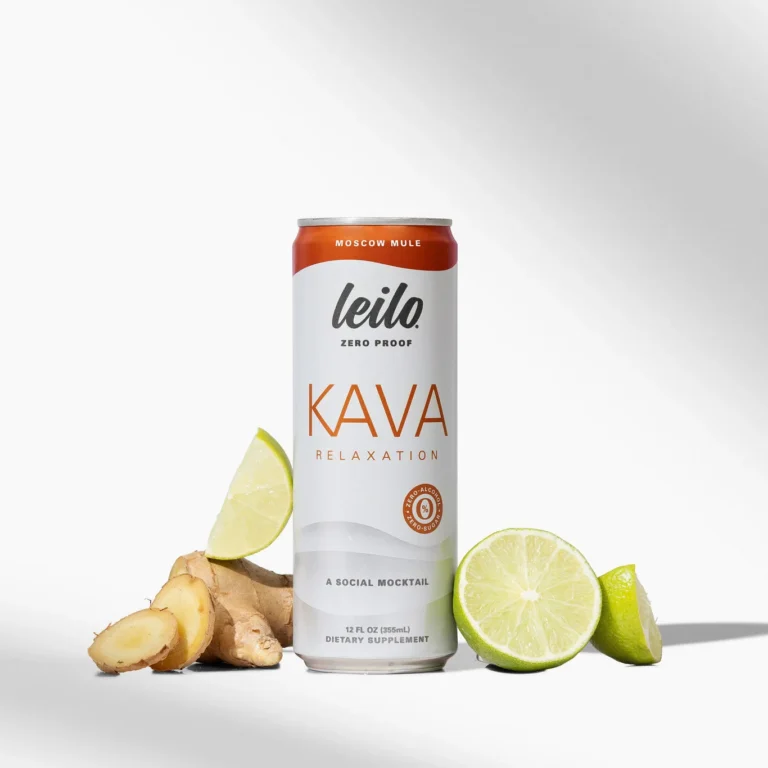
This lightly sparkling, non-alcoholic kava tonic is crafted to help you unwind while staying clear-headed, offering a smooth, functional alternative to traditional cocktails.
Frequently Asked Questions:
Is kava safer than alcohol?
Kava and alcohol have different risk profiles. Alcohol's health risks are well established, especially with excessive or long term use, while kava may involve fewer concerns related to intoxication and next day disruption but can still cause side effects or interact with medications.
Does kava make you drunk like alcohol?
Traditional kava does not typically produce the same level of intoxication associated with alcohol. Most users describe feeling relaxed, calm, and socially comfortable, though larger amounts may still cause drowsiness or impairment.
Can you drive after drinking kava?
Kava may affect alertness, reaction time, and coordination in some individuals. Driving or operating machinery is not recommended until you understand how kava affects you personally.
Can you mix kava and alcohol together?
No. Mixing kava and alcohol is strongly discouraged because both can have sedative effects, potentially increasing impairment and creating additional safety and health risks.
Choosing Relaxation That Aligns With Your Wellness Goals
Let’s be honest, most people comparing kava against alcohol aren’t looking to eliminate fun from their lives. They’re looking for a way to relax, connect with others, and decompress without feeling like they have to pay for it the next day.
Alcohol has long been a social staple, but it’s also linked with cognitive impairment, sleep disruptions, hangovers, dehydration, headaches, and a variety of well-documented health risks when consumed excessively. While moderate alcohol use remains a personal choice for many adults, expanding numbers of people are questioning whether it’s the best option for supporting their overall wellness.
Kava offers a different approach. Kava was traditionally used for centuries throughout the South Pacific, and is known for encouraging relaxation, sociability, and calmness without producing the same level of intoxication typically associated with alcohol. Many people appreciate that it may help them unwind while maintaining greater mental clarity, and can function the next day.
That being said, kava is not completely without risk. Responsible use, quality product sourcing, and awareness of potential medication interactions remain major considerations before consuming kava.
The promising news is that today’s wellness landscape offers more choices than ever before. Whether you’re exploring kava, functional mushrooms, adaptogens, CBD products, tinctures, mindfulness practices, or simply healthier evening routines. The goal is often the same: finding sustainable ways to relax, that said, long-term wellness.
At Nurse Wellness, we believe wellness should feel welcoming, accessible, empowering, and realistic. Every person has personalized goals, preferences, and lifestyles. The best choice is the one that helps you feel balanced, connected, and healthy while supporting the life you want to live.
When it comes to kava vs alcohol, the conversation isn’t necessarily about awarding a universal winner. It’s about comprehending the differences, making informed decisions, and choosing the option that fits best with your individual wellness journey.