
Kava vs Ashwagandha: Which Is Better for Stress?
Understand how onset, effects, benefits, and daily use differ so you can choose the option that fits your routine.
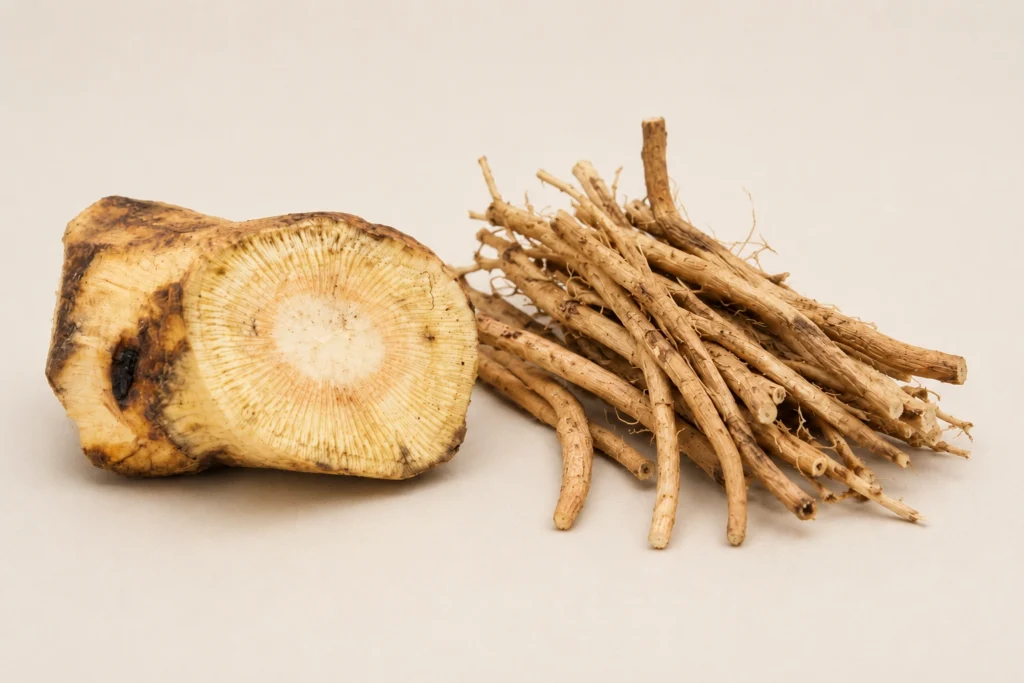
Table of Contents:
- What Is Kava and How Does It Work
- What Is Ashwagandha and How Does It Work
- Kava vs Ashwagandha: The Biggest Differences
- Which Works Faster for Stress Relief
- Kava vs Ashwagandha for Sleep and Relaxation
- Potential Benefits of Kava
- Potential Benefits of Ashwagandha
- Which One Should You Choose

Edibles

Flower
Pre-Rolls
Stress seems to show up everywhere and in almost everything nowadays. It follows us into work meetings, rides in the back seat during our commute, and somehow finds its way into our bedrooms right when we’re trying to unwind and fall asleep. As a result, many people are switching to natural wellness solutions to help them relax and regain harmony.
Two of the most popular options are kava and ashwagandha. While both are known for their stress-supporting benefits, they work in very unique ways. Comprehending those differences can help you choose the right option for your specific wants and needs.
If you’ve been seeking a deeper understanding of kava versus ashwagandha, you’re in the right place. In this blog, we will break down how each works, what benefits each may offer, and which one may be better suited for your personal wellness goals.
What Is Kava and How Does It Work
Kava comes from the root of the Piper methysticum plant, which has been traditionally used throughout the South Pacific for centuries during social gatherings, ceremonies, and relaxation rituals.
The active compounds in kava are called kavalactones. Researchers believe these compounds interact with neurotransmitter systems that help regulate mood, tension, and relaxation. Many people explain the experience as a wave of calmness that arrives without the mental fog often linked with alcohol. Studies indicate kava may assist in reducing feelings of anxiety and encourage relaxation.
A big reason as to why kava has become so in demand is that many users report feeling its effects moderately fast. Depending on the product and individual, relaxation may begin within 15 to 60 minutes after consumption.
Kava can be thought of as the friend who shows up immediately when you need support after a stressful day.
What Is Ashwagandha and How Does It Work
Ashwagandha (Withania somnifera) is a traditional Ayurvedic herb that has been used for thousands of years.
Unlike kava, ashwagandha is classified as an adaptogen. Adaptogens help the body adjust to physical and emotional stress by supporting the body’s stress-response systems, including the hypothalamic-pituitary-adrenal (HPA) axis. Research indicates that ashwagandha may help regulate cortisol, often known as the body’s primary stress hormone.
In place of providing instantaneous relaxation, ashwagandha works more gradually. Many studies show results becoming more noticeable after several weeks of consistent daily use.
If kava is the friend who rushes over to help right now, ashwagandha is the friend helping you build a stronger foundation so future stress doesn’t feel so detrimental.
Kava vs Ashwagandha: The Biggest Differences
When comparing kava to ashwagandha, one of the biggest differences comes down to timing.
Kava
- Fast onset
- Often used as needed
- Promotes noticeable relaxation
- Typically used in the evening
- May help to decrease situational stress
Ashwagandha
- Gradual effects
- Best used consistently
- Supports long-term stress management
- May help regulate cortisol levels
- Often incorporated into daily wellness routines
In simpler terms, kava focuses on helping you feel better in that initial moment, while ashwagandha centers on helping your body manage stress more effectively over time.
Which Works Faster for Stress Relief
Kava is well known for its rapid onset of effects. Many users report feeling laid back, socially comfortable, and less tense within an hour of consumption.
Ashwagandha commonly requires consistent supplementation over several weeks before noticeable stress-related benefits occur. Research indicates valuable improvements in stress and sleep often become apparent after six to twelve weeks of consistent use.
If you’re wrestling with a particularly stressful day, a tough presentation tomorrow morning, or just need help decompressing after work, kava may be the more appealing option.
If you’re aiming to improve your body’s stress resilience over months rather than hours, ashwagandha may be the option that fits best for you.
Kava vs Ashwagandha for Sleep and Relaxation
Both botanicals may support sleep, but they do so in their own unique way.
Kava’s calming qualities may help ease the mind and reduce tension before bedtime. Many users enjoy kava in the evening because it encourages a sense of physical and mental tranquility.
Ashwagandha, on the other hand, takes a different approach to sleep. By helping support healthy stress responses and cortisol balance, it may enhance sleep quality over time rather than creating instant drowsiness.
A simple comparison:
- Need help relaxing tonight? Kava may be more helpful.
- Want to optimize overall sleep quality over time? Ashwagandha may provide more long-term support.
Potential Benefits of Kava
Many people choose kava due to its rapid and noticeable effects.
Potential benefits may include:
Promotes Relaxation
Kava is best known for aiding relaxation without necessarily impairing mental clarity when used responsibly.
May Help Reduce Situational Stress
Studies suggest that kava may help support individuals experiencing temporary feelings of stress or anxiety.
Supports Social Comfort
Many kava enthusiasts report feeling more comfortable and relaxed in social settings.
Alcohol Alternative
A rising number of consumers are leaning more towards kava beverages as an alcohol-free way to decompress.
Potential Benefits of Ashwagandha
Ashwagandha’s strengths and benefits become more apparent over time.
Supports Healthy Cortisol Levels
Studies suggest ashwagandha may help stabilize cortisol, helping the body better handle ongoing stress.
Encourages Long-Term Stress Resilience
Rather than concealing stress, ashwagandha may help refine how the body responds to it.
May Support Better Sleep
Multiple studies have found improvements in sleep quality among individuals using ashwagandha consistently.
Supports Overall Wellness
Exceeding stress support, ashwagandha has been studied for potential benefits related to cognition, physical performance, and overall well-being.
Can You Take Kava and Ashwagandha Together?
Some wellness enthusiasts choose to use both.
The reasoning is fairly simple:
- Ashwagandha supports long-term stress management.
- Kava provides more immediate relaxation when needed.
However, combining supplements should always be approached with caution. Both may contribute to feelings of relaxation or drowsiness, so it’s crucial to follow product directions mindfully and consult a healthcare professional if you have any medical conditions or are taking medications.
Safety Considerations
No conversation about kava versus ashwagandha would be complete without mentioning safety.
Kava has been linked with concerns regarding liver health, specifically when poor-quality products or improper plant materials are used. Those with liver conditions or those who consume alcohol regularly should connect with a healthcare provider before partaking in a kava beverage.
Ashwagandha is typically considered well-tolerated, although side effects such as digestive discomfort, drowsiness, and possible interactions with medications may occur. It may also affect thyroid function in some individuals.
It is always a great idea to have a conversation with your healthcare provider before adding any supplement to your wellness routine.
Which One Should You Choose?
The answer depends entirely on your individual goals.
Choose kava if:
- You want the fast onset of relaxation
- You need support decompressing after stressful days
- You prefer noticeable effects within a short period of time
Choose ashwagandha if:
- You are looking for long-term stress support
- Your focus is on your overall wellness
- You don’t mind waiting several weeks for results
For a lot of people, this isn’t really an either-or decision. Kava and ashwagandha serve different purposes. One helps you relax at that moment, while the other may help your body become more resilient to stress over time.
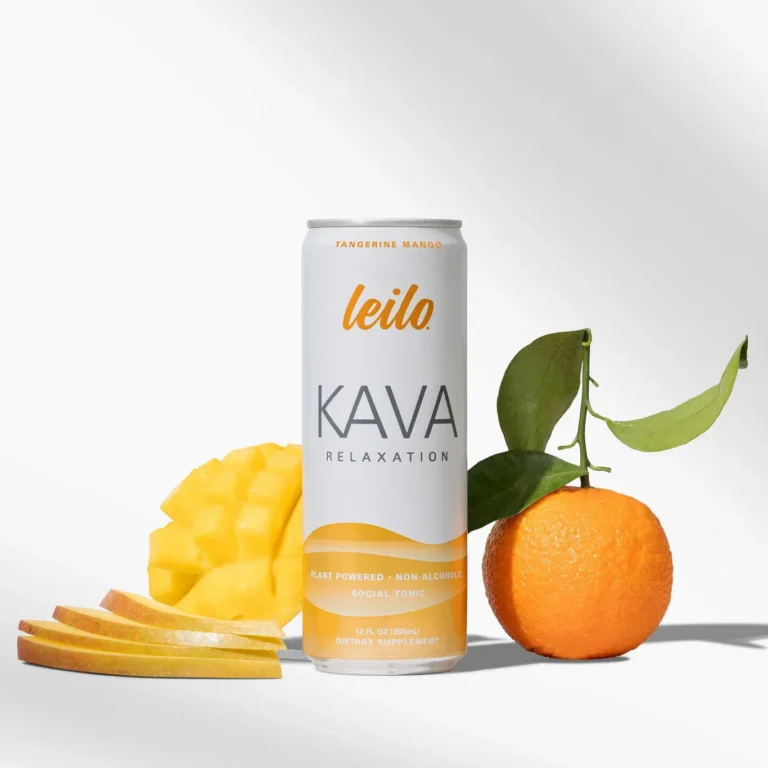
Powered by kava root extract, this non alcoholic beverage is designed to promote a calm, clear-headed state without the heaviness or aftereffects of alcohol.
Frequently Asked Questions:
Is kava stronger than ashwagandha?
For rapid relaxation, many people perceive kava as stronger because its effects are typically felt much faster. Ashwagandha works gradually and is created more for long term stress support.
Does kava work faster than ashwagandha?
Yes, kava may produce noticeable effects within 15 to 60 minutes, while ashwagandha often requires several weeks of consistent use.
Can I take kava every day?
Some people do use kava regularly, but due to safety considerations and potential liver concerns, it is vital to follow product guidelines and consult a healthcare professional.
Which is better for chronic stress: kava or ashwagandha?
Ashwagandha is generally considered more appropriate for chronic, long term stress management because of its adaptogenic properties and effects on cortisol regulation.
Kava vs Ashwagandha: Finding the Right Balance for Your Wellness Journey
Let’s be real with each other, stress isn’t going anywhere. Life moves fast, responsibilities build up, and sometimes it feels like relaxation is another task sitting on your to-do list.
That’s exactly why comprehending the difference between kava and ashwagandha matters.
Kava shines when you need support at that moment. It’s the botanical many people turn to when they want to relax after a challenging day, enjoy a social gathering without alcohol, or simply take the edge off life’s daily pressures.
Ashwagandha takes a different approach. Rather than focusing solely on the moment, it helps support your body’s ability to handle stress over time. Think of it as investing in your long-term wellness foundation rather than seeking immediate relief.
The truth is that the kava vs ashwagandha debate doesn’t always have a single winner. The best choice depends on your personal goals, your lifestyle, and what type of support you’re in need of.
At Nurse Wellness, we believe wellness starts with knowledge and education. The more you understand about the products you use, the easier it becomes to create a routine that genuinely supports your goals. Whether you’re exploring premium kava products, CBD, adaptogens, functional mushrooms, tinctures, THC-infused beverages, or other wellness solutions, mindful decisions lead to overall better experiences.
Are you looking to take the next step in your wellness journey? Explore Nurse Wellness and discover carefully selected products that are created to help you feel more harmonized, more laid back, and more in control of your everyday life routine.