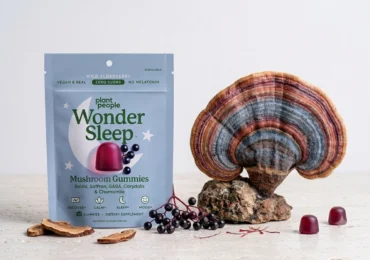

Natural Alternatives to Alcohol for Sleep
From magnesium to functional mushrooms, discover natural alternatives to alcohol that may help support better rest.

Table of Contents:
- Why So Many People Use Alcohol as a Sleep Aid
- Understanding the Science of Sleep Cycles
- Alcohol Effects on Sleep Quality: What Really Happens Oavernight
- How Alcohol Disrupts REM Sleep and Recovery
- The Long-Term Consequences of Drinking for Sleep
- Natural Sleep Alternatives That Support Better Rest
- Functional Mushrooms and Plant-Based Sleep Support
- Creating a Sustainable Nighttime Routine for Deep Sleep

Edibles

Flower
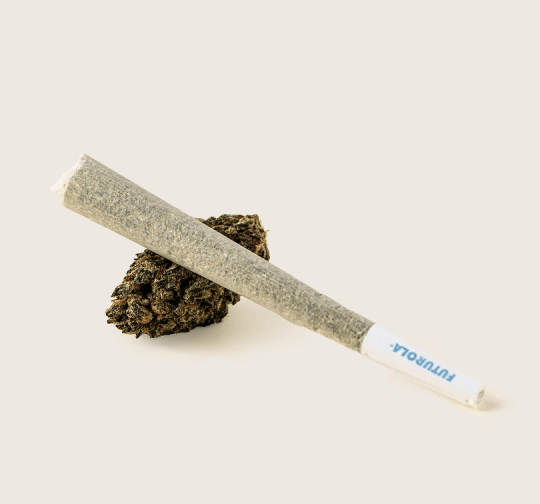
Pre-Rolls
For decades, people have gravitated towards a glass of wine, a cocktail, or a nightcap before bed to help them settle down and fall asleep. At first glance, it seems logical. Alcohol often leads to feelings of calmness, reduces inhibition, and can make a person feel sleepy soon after drinking.
The reality is that while alcohol may help you get to sleep faster, it significantly harms your overall sleep quality throughout the night.
Research repeatedly demonstrates that alcohol interferes with healthy sleep architecture, disrupts REM sleep, enhances nighttime awakenings, and leaves people feeling less rested the next day. In fact, many sleep specialists now consider alcohol as one of the most common hidden causes of non-restorative sleep.
As more people are looking for healthier ways to improve rest, interest in natural alternatives has increased rapidly. Functional mushrooms, adaptogens, botanical supplements, magnesium, and other wellness-focused sleep aids are now becoming more and more popular because they aid relaxation without disrupting the body’s natural sleep cycles.
Understanding the relationship between alcohol and sleep is one of the most important steps toward improving overall wellness, energy, mood, and recovery.
Why So Many People Use Alcohol as a Sleep Aid
Alcohol serves as a central nervous system depressant. When consumed, it elevates the activity of gamma-aminobutyric acid (GABA), a neurotransmitter that slows brain activity and encourages relaxation.
This is why many people experience being able to fall asleep faster, increased relaxation, reduced stress, and temporary feelings of calmness. The problem is that this initial sedative effect creates a misleading impression.
Many individuals assume that they are sleeping better because they fall asleep faster. However, falling asleep quickly is only one component of healthy sleep. High-quality sleep depends on maintaining healthy sleep cycles throughout the entire night.
Research shows that alcohol begins disrupting these cycles as it is metabolized by the body, leading to fragmented and lower-quality sleep later in the evening.
In other words, alcohol helps initiate sleep but actively interferes with the body’s ability to stay asleep and recover properly.
Understanding the Science of Sleep Cycles
To understand why alcohol is so disruptive, it’s important to understand how sleep normally works. Healthy sleep occurs in repeating cycles that generally last about 90 minutes each. These cycles include:
Stage 1 Sleep
The transition from being awake to falling asleep
Stage 2 Sleep
Light sleep, where heart rate and body temperature begin to lower
Stage 3 Sleep (Deep Sleep)
Also known as slow-wave sleep.
This stage supports:
- Physical recovery
- Immune function
- Muscle repair
- Hormonal regulation
REM Sleep
Rapid Eye Movement sleep is one of the most important stages for:
- Memory consolidation
- Learning
- Emotional processing
- Cognitive performance
- Creativity
Throughout the night, the body moves through multiple cycles of deep sleep and REM sleep. When these cycles remain intact, you wake up feeling refreshed. When they become disrupted, you may spend eight hours in bed but still feel exhausted when you wake up.
Alcohol Effects on Sleep Quality: What Really Happens Overnight
The phrase “alcohol effects on sleep quality” has become increasingly searched because more people are realizing that feeling sleepy is not the same thing as getting restorative sleep.
Several major studies have found that alcohol negatively affects sleep architecture by interfering with the natural balance between sleep stages.
Common effects include:
Increased Sleep Fragmentation
As blood alcohol levels begin to decrease during the night, the nervous system becomes more active.
This often leads to restlessness, difficulty staying asleep, lighter sleep during the second half of the night, and frequent awakenings.
Many people don’t fully remember these awakenings, but the body still experiences the disruption.
Reduced Sleep Efficiency
Sleep efficiency refers to the percentage of time spent actually sleeping while in bed.
Alcohol decreases sleep efficiency due to its increasing interruptions and wakefulness later in the night.
Elevated Heart Rate During Sleep
Alcohol can raise nighttime heart rate and trigger the sympathetic nervous system as it is metabolized.
This reduces the body’s ability to reach deeply restorative states.
More Bathroom Trips
Alcohol functions as a diuretic, amplifies urine production, and contributes to nighttime awakenings.
How Alcohol Disrupts REM Sleep and Recovery
One of the most damaging effects of alcohol on sleep quality is its impact on REM sleep. Research consistently demonstrates that alcohol suppresses REM sleep, particularly during the first half of the night.
REM sleep plays a critical role in memory formation, cognitive function, learning, mood stability, and emotional regulation.
When REM sleep becomes restricted, people often experience irritability, impaired productivity, poor concentration, brain fog, and weakened focus.
As alcohol leaves the system, many people experience what researchers call “REM rebound.” This occurs when the body attempts to compensate for lost REM sleep.
The result can include:
- Intense dreams
- Vivid nightmares
- Frequent awakenings
- Restless sleep
These disruptions often leave people feeling surprisingly tired despite spending enough hours in bed.
The Long-Term Consequences of Drinking for Sleep
Occasional alcohol consumption may temporarily affect sleep, but habitual drinking can cause a much larger problem.
Researchers have found strong connections between regular alcohol consumption and chronic sleep disturbances.
Potential long-term consequences include:
- Chronic insomnia
- Increased anxiety
- Worsened sleep apnea, reduced, and recovery
Chronic Insomnia
Unfortunately, alcohol often worsens those same problems over time, creating a cycle that becomes difficult to break.
Increased Anxiety
Poor sleep quality is strongly linked to higher levels of anxiety and stress. As sleep deteriorates, emotional resilience often declines.
Worsened Sleep Apnea
Alcohol relaxes muscles in the throat and airway.
This can amplify:
- Snoring
- Airway obstruction
- Sleep apnea symptoms
For people already struggling with sleep-disordered breathing, alcohol can make symptoms significantly worse.
Reduced Recovery
Athletes and active individuals may notice:
- Slower muscle recovery
- Increased fatigue
- Reduced physical performance
This is because sleep is where much of the body’s recovery processes occur.
Natural Sleep Alternatives That Support Better Rest
The good news is that there are natural options that support relaxation without disrupting healthy sleep architecture.
Unlike alcohol, many natural sleep-support ingredients work alongside the body’s natural processes.
Magnesium
Magnesium is involved in hundreds of biological functions.
Many people use magnesium glycinate or magnesium threonate before bed because they may support:
- Relaxation
- Muscle recovery
- Nervous system harmony
- Healthy sleep patterns
L-Theanine
Found naturally in tea leaves, L-theanine promotes relaxation without sedation.
Many people report feeling mentally relaxed while remaining clear-headed.
Valerian Root
Valerian has been used traditionally for centuries as a calming herb that may support sleep quality and relaxation.
Chamomile
Chamomile tea remains one of the most popular bedtime rituals due to its calming properties and gentle support for relaxation.
Functional Mushrooms and Plant-Based Sleep Support
One of the most exciting areas of modern wellness involves functional mushrooms.
While mushrooms are not sedatives, several varieties may help support stress management, nervous system balance, and overall wellness.
Reishi Mushroom
Often referred to as the “Mushroom of Immortality,” Reishi has a long history in traditional wellness practices.
Many people incorporate Reishi into nighttime routines because it may support:
- Stress management
- Relaxation
- Recovery
- Overall wellness
Adaptogenic Support
Adaptogens help the body respond to physical and mental stress. When stress levels decrease, sleep often improves naturally.
Many wellness consumers combine adaptogenic mushrooms with calming botanicals to support a healthier nighttime routine.
CBD and Hemp-Derived Wellness Products
Many adults also explore hemp-derived wellness products as part of a broader sleep-support strategy.
While individual experiences vary, CBD products are commonly used to support relaxation and evening routines without the sleep disruption associated with alcohol.
As always, consumers should follow product instructions and consult healthcare professionals when appropriate.
Creating a Sustainable Nighttime Routine for Deep Sleep
Improving sleep quality often requires more than one change. The most successful approach usually involves creating a consistent routine.
Consider these evidence-based habits:
Maintain Consistent Sleep Times
Going to bed and waking up at similar times helps regulate circadian rhythms.
Limit Alcohol Before Bed
It is recommended to avoid alcohol at least several hours before sleep when possible.
Reduce Screen Exposure
Blue light from devices may interfere with natural melatonin production.
Create a Relaxing Environment
A cool, dark, quiet bedroom supports deeper sleep.
Support Recovery Naturally
Incorporating magnesium, calming herbs, functional mushrooms, or other wellness products may help create a healthier nighttime routine without compromising sleep architecture.
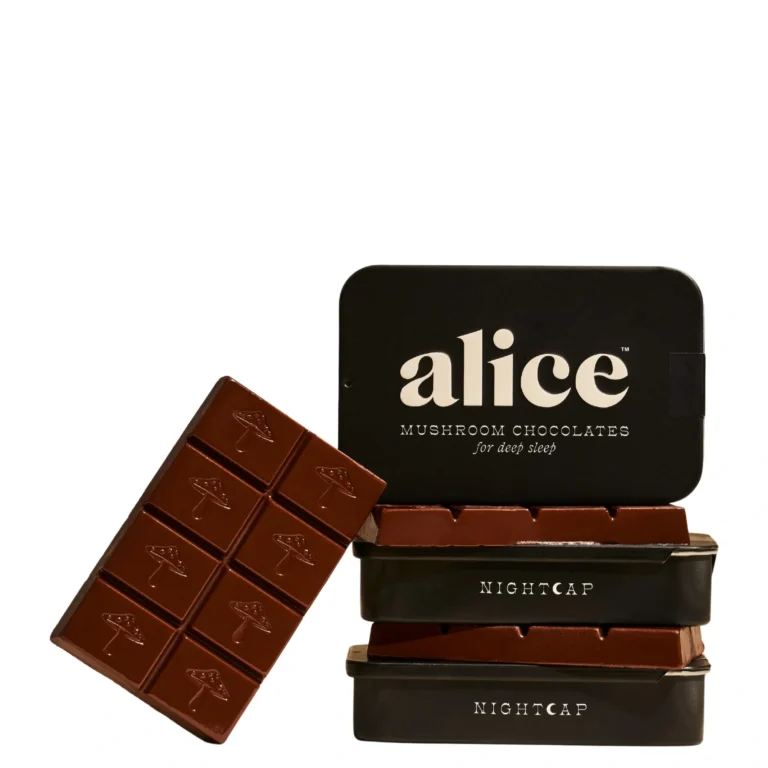
A nightly supplement for deep sleep, restful evenings, and a calm mind.
Frequently Asked Questions:
Does alcohol actually help you sleep?
Alcohol may help you fall asleep faster due to its sedative effects, but it can disrupt sleep later in the night, leading to fragmented sleep, reduced REM sleep, and poorer overall sleep quality.
Why do I wake up in the middle of the night after drinking?
As your body metabolizes alcohol, the nervous system becomes more active, which can lead to nighttime awakenings, lighter sleep, increased heart rate, and difficulty staying asleep.
What is the biggest alcohol effect on sleep quality?
One of the most significant effects is REM sleep suppression. REM sleep plays an important role in memory, emotional processing, cognitive performance, and feeling mentally refreshed.
Are natural sleep alternatives better than alcohol?
Natural sleep support options such as magnesium, chamomile, L-theanine, Reishi mushroom, and wellness supplements may promote relaxation without causing the sleep disruption commonly associated with alcohol.
Natural Sleep Support: Better Rest Starts With Better Choices
Let’s be real, most people who use alcohol before bed aren’t trying to harm their sleep. They’re merely looking for a way to relax, quiet a busy mind, and drift off more easily after a stressful day. The issue is that alcohol only appears to help.
While it may shorten the time it takes to initially fall asleep, research shows that alcohol disrupts healthy sleep cycles, suppresses REM sleep, increases nighttime awakenings, and lowers overall recovery. Over time, these disruptions can affect mood, focus, energy levels, and long-term wellness.
The bright side is that better options exist. Natural sleep-support strategies like magnesium, calming botanicals, functional mushrooms, healthy sleep habits, and wellness-focused supplements can help promote relaxation without undermining the body’s natural sleep structure.
Quality sleep isn’t just about being unconscious for eight hours. It’s about giving your brain and body the restorative recovery they need to function at their best.
At Nurse Wellness, we believe wellness should feel sustainable, approachable, and empowering. Whether you’re exploring CBD products, functional mushrooms, adaptagens, or other plant-based options. The goal is the same: helping you feel your best naturally.
When it comes to sleep, the most remarkable solution is often not adding another nightcap. It’s building a routine that truly supports rest, recovery, and long-term health.