
Exploring Myrcene for Pain and Inflammation Support
Discover how the myrcene may ease discomfort and reduce inflammation naturally, plus learn to choose myrcene-rich strains and products for targeted relief.
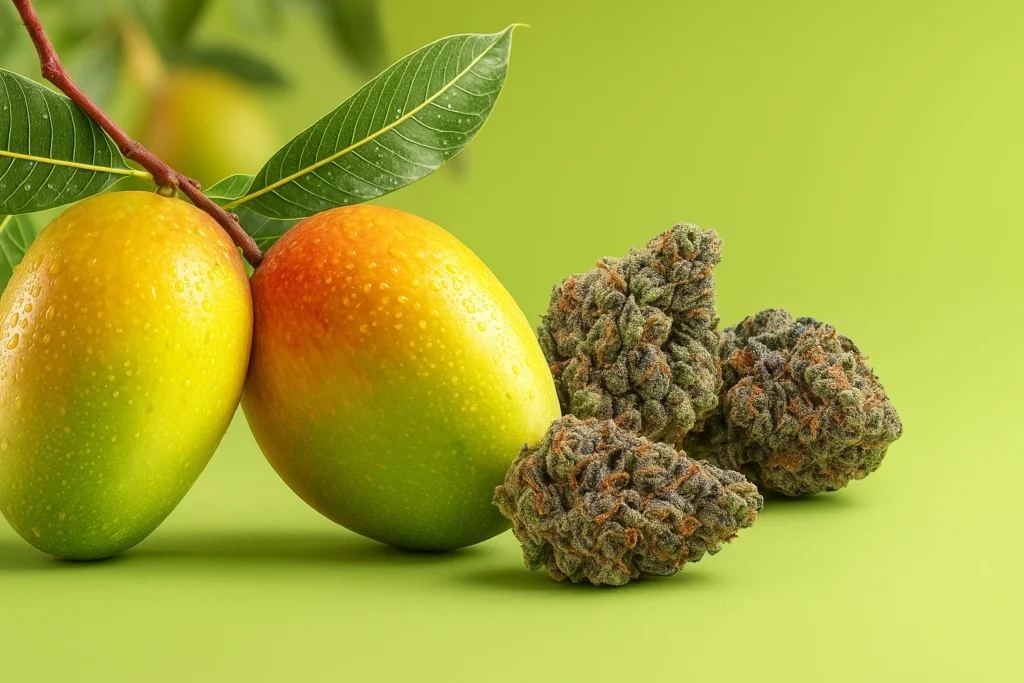
Table of Contents:
- What Is Myrcene?
Where Myrcene Comes From & Why It’s Common in Cannabis
- How Myrcene Works in the Body
- Relaxation, Sleep, and Pain Relief: Myrcene’s Key Effects
- Myrcene Compared to Other Major Terpenes
- Choosing High-Myrcene Strains & Products
- Practical Tips for Wellness-Focused Cannabis Users
- FAQs & Final Takeaways

Edibles

Flower
Pre-Rolls
If you have taken the time to research different stains or terpene charts, there is a high probability that you have come across the term “myrcene terpene.” That is for good reason, this naturally occurring compound is one of the most influential terpenes that has helped shape the aroma, effects, and therapeutic potential of cannabis. The myrcene terpene is known for its earthy, musky scent and overall relaxing properties. Myrcene plays a major role in whether a strain makes you feel calm, sedated, or soothing to your body.
Today, we’ll take a research-backed look at what makes the myrcene terpene unique. You’ll learn how it works within the body, what recent research says about its relaxing and anti-inflammatory potential, how it compares with other major terpenes, and how to identify myrcene-rich strains and products. By the end of reading this blog, you’ll have the insight you need to make more informed cannabis choices that align with your individual wellness goals.
What is Myrcene?
What the Term Means
β-myrcene, often referred to as myrcene, is a naturally occurring monoterpene. A monoterpene is a type of aromatic compound found in a variety of plants such as hops, mangoes, lemongrass, and cannabis. It’s responsible for the earthy, musky, and slightly fruity aroma that is common in many cannabis strains and also contributes to the aroma of hops used in beer brewing.
Prevalence in Cannabis
Myrcene is one of the most frequent terpenes found in cannabis, often making up a noteworthy portion of a strain’s overall terpene profile. In many cultivars, myrcene levels can exceed 0.5% of the dry flower content. Strains with higher myrcene concentrations are commonly connected with more soothing or sedative effects, sometimes described as a “couch-lock” sensation.
How It Works (Mechanisms)
While research is still evolving, early studies suggest several ways myrcene may influence the body:
Pain relief: Myrcene has demonstrated analgesic and antinociceptive properties in preclinical studies, possibly involving Transient Receptor Potential Vanilloid 1 (TRPV1) and alpha-2 adrenoceptors. TRPV1s are tiny gate sensors located in your nerve cells that detect and respond to pain, heat, and certain chemical stimuli. Alpha-2 adrenoceptors help to regulate stress, pain, and blood-pressure responses.
Sedation and relaxation: Animal research indicates potential sedative and hypnotic effects, possibly through interactions with neurotransmitter systems such as GABA, glutamate, and serotonin. The neurotransmitter GABA helps your nervous system slow down, relax, and maintain overall balance. Glutamate helps your neurons communicate faster and helps to formulate connections with learning information, memory, and cognition. Serotonin helps with your overall mood, sleep, appetite, pain, and general well-being.
Anti-inflammatory and antioxidant effects: Myrcene may help reduce markers of inflammation and stress, such as COX-2 and IL-1β, in laboratory models. COX-2 activates only when your body is in an inflammatory state, which causes fever, redness, pain, and swelling. IL-1β is a protein made by immune cells that is activated when your body signals an overall injury, such as a fever, inflammation, infection, or stress.
However, it’s important to note that most findings come from animal or cell studies, and there is select clinical evidence confirming these effects in humans. More research is required to understand the full extent of myrcene’s therapeutic potential and safety profile.
Relaxation & Sedation: Myrcene’s Signature Effect
Evidence for Sedative and Relaxing Properties
Among all cannabis terpenes, myrcene is most jointly associated with deep relaxation, muscle calm, and sleep support. Preclinical research supports this connection:
- Sleep and rest: In animal studies, myrcene has been shown to shorten the time it takes to fall asleep and extend overall sleep duration.
- Anxiety reduction: Behavioral models suggest myrcene may reduce anxiety-like responses, indicating potential calming and anxiolytic effects.
What This Means for Wellness Users
For individuals seeking relaxation or nighttime support, high-myrcene strains and terpene-rich products may provide the body-calming effects often linked to restful experiences.
- Expect physical relaxation: When myrcene makes up a significant portion of a strain’s terpene profile (around 0.5% or higher), the effects tend to lean toward full-body ease rather than an energetic high.
- Use timing strategically: Myrcene-dominant strains are generally best suited for evening or downtime use, particularly before rest or sleep.
- Start with balance: Myrcene can enhance the effects of cannabinoids like THC and CBD, but since human data remains limited, it’s wise to start low and observe your response.
Terpene Synergy: The Entourage Effect
While myrcene has promising standalone qualities, it often works best as part of a synergistic terpene-cannabinoid mix. In cannabis science, this interaction is known as the entourage effect, where compounds like THC, CBD, and terpenes interact to create a broader, more balanced effect profile.
Rather than focusing exclusively on myrcene, consider it a key component in a natural ensemble that collectively shapes how cannabis supports relaxation, comfort, and recovery.
Potential Therapeutic Uses: Sleep, Pain & Inflammation
Sleep & Insomnia
As mentioned earlier, myrcene has shown the capability to encourage sleep and relaxation in preclinical studies. Animal models demonstrate that it may help shorten the time it takes to fall asleep and extend total rest duration. Some early human research combining myrcene with cannabinoids like CBD has hinted at improved sleep quality, though these findings remain preliminary and not specific to myrcene alone.
Pain Relief / Analgesia
Evidence from preclinical research implies that myrcene may also support pain relief. Studies in animal models have shown myrcene can increase pain tolerance and reduce the perception of discomfort. This appears to be linked to its potential interaction with pathways involved in pain modulation, including TRPV1 receptors and certain adrenergic systems in the body.
For those using cannabis to ease mild to moderate pain, such as muscle soreness or joint tension, strains high in myrcene may offer added relief. However, there is currently no conclusive human evidence confirming myrcene alone as an effective pain relief.
Anti-Inflammatory Potential
In laboratory and animal research, myrcene-rich essential oils have demonstrated anti-inflammatory and antioxidant effects. They appear to reduce swelling and lower key inflammation markers such as COX-2 and IL-1β. These findings propose myrcene may play a role in aiding recovery and easing minor inflammation from daily activities.
With that being said, it’s fundamental to emphasize that human studies are insufficient. While myrcene may complement a wellness routine, it should not be considered a substitute for medical anti-inflammatory treatments prescribed by a healthcare provider.
Myrcene continues to show assurance for supporting relaxation, sleep, pain relief, and inflammation reduction, but until more human data surfaces, its therapeutic effects should be seen as supportive, not definitive.
Comparing Myrcene With Other Terpenes
To better comprehend myrcene’s role, it helps to compare it with other well-known cannabis terpenes. Limonene is known for its bright citrus aroma and is typically linked to uplifting effects and a gentle sense of relaxation. In contrast, myrcene tends to produce a more calming and sedative experience, making it better suited for winding down rather than productivity.
Linalool is known for its soft floral and lavender-like scent and shares some similarities with myrcene. They both promote calm and relaxation, although linalool’s effects are generally lighter and less physically sedating, rather more tranquil.
β-Caryophyllene, on the other hand, offers a spicy, peppery profile and is known for its anti-inflammatory potential through interaction with CB2 receptors in the body. Myrcene leans toward full-body relaxation and pain relief. Caryophyllene’s effects are more targeted toward inflammation and overall balance.
Myrcene stands out for its ability to ease the body and quiet the mind, while other terpenes like limonene, linalool, and caryophyllene cater to different aspects of wellness, mood, focus, or inflammation support. For those seeking deep relaxation or sleep, myrcene-rich strains are often the most fitting choice, whereas daytime use may be better matched with brighter, more energizing terpene profiles.
Strain & Product Selection: Practical Tips for Wellness Users
1. Read the terpene profile
It is crucial to look for strains where myrcene is clearly listed among the dominant terpenes. It is ideal to look for 0.5% or more of the overall terpene content listed. These tend to produce deeper relaxation and calming body effects. It is meaningful to look into the lab report or certificate of analysis (COA) to corroborate that terpene percentages are clearly stated on a product. Verified data allows you to have a clear understanding of a specific product’s overall quality, consistency, and expected effects.
2. Match to timing and context
The myrcene strain is a great choice for the evening when you are trying to relax, along with getting ready to wind down for the day. Myrcene is great for achieving sedation and overall relaxation. I would not recommend using myrcene if you are looking to have a busy, productive day. Instead, I would recommend looking for strains that are limonene/linalool-dominant or moderate in myrcene.
3. Combine with cannabinoids thoughtfully
Cannabinoids are great to pair with THC to achieve specific experiences, but it is important to learn the differences in cannabinoids to know what experience to expect. If the product you are interested in is high in THC and high-myrcene, you might achieve a strong body relaxation, which may not be ideal if you are looking to do active tasks. If you are using CBD-dominant products and myrcene together, that may enhance the relaxation effects without a heavy psychoactivity. An essential factor to consider when combining cannabinoids is understanding the differences in full-spectrum and isolate cannabis. Full-spectrum cannabis preserves the integrity of the plant’s natural compounds, including the terpenes. When the compounds stay together, they often work together to enhance each other’s effects. Isolate cannabis removes cannabinoids and only leaves one cannabinoid behind. When this happens, you miss out on the natural synergy due to the loss of the plant’s full range of compounds.
4. Consider product form and delivery
- Flower and vape cartridges frequently conserve terpene profiles quite favorably.
- Oils and tinctures may lose crucial terpenes unless labelled for “live resin” or “preserved terpene” content.
- For sleep/relaxation, slow-onset forms, such as edibles and tinctures, may align with the prolonged effect of myrcene-dominant strains.
5. Start low and track effects
Due to there being limited data for myrcene-specific research, it is ideal to log your personal findings. It is a great idea to create a journal containing specific findings on strains, cannabinoids, milligrams, effects, and everything you feel is important to note to truly figure out what exactly works best for you individually. Remember, everyone is different, and it is key to figure out what is best for you personally.

Grape and berry sweetness offering a deeply soothing experience for evening relaxation.
Frequently Asked Questions:
Does choosing a high-myrcene strain guarantee better sleep?
Not necessarily. Higher myrcene levels are linked to calming effects but everyone responds differently and human research remains limited.
Can I take pure myrcene for relaxation?
You can use pure isolates but they lack safety studies. Full-spectrum products with natural terpene balance are a safer choice.
How does myrcene compare to THC for relaxation?
Myrcene is non-psychoactive and enhances THC’s body-calming effects. Strains high in both often feel more sedative.
Which strains are high in myrcene?
Look for Granddaddy Purple, Northern Lights, Grape Ape, and Kush varieties. Always check lab data to confirm terpene levels.
What should I watch for when buying myrcene-rich products?
Seek clear myrcene percentages and third-party lab testing for quality and consistency. Avoid products without verified terpene data.
The Power of Myrcene in Everyday Balance
Learning about the myrcene terpene is more than exploring a plant compound; it’s about understanding how nature helps your body unwind and find balance. From easing tension and supporting rest to soothing mild inflammation, myrcene works in harmony with your endocannabinoid system to promote calm and recovery.
Choosing cannabis products that are rich in myrcene isn’t about chasing intensity; it’s about achieving relaxation and wellness in a natural way. This terpene helps us to remember that the power of cannabis lies in its ability to agree with our individual body’s pattern and help restore equilibrium when life feels desynchronized.
At Nurse Wellness, we believe education is just as essential as access. Reveal lab-tested THCa flower, CBD gummies, and live resin vapes that are designed to complement your personal body’s natural flow and enhance overall relaxation.
Ready to find overall peace in your routine? Shop Nurse Wellness with NJ and Philadelphia delivery, or discreet nationwide shipping available. The myrcene terpene is more than an aromatic note; it’s a key part of how cannabis supports relaxation, relief, and stability from within.