
Managing Chronic Pain With Cannabis: Methods, Dosages, and Expectations
Learn how to align cannabis use with your daily needs while maintaining balance and safety.

Table of Contents:
- What Chronic Pain Really Is and Why It’s So Complex
- How Cannabis Interacts With the Endocannabinoid System
- How Cannabis Can Help With Chronic Pain in the Body
- Product Types and Consumption Methods for Pain Relief
- Common Conditions: Arthritis, Fibromyalgia, Back Pain, and Nerve Issues
- What the Research Says: Evidence, Benefits, and Limitations
- Building an intentional pain support routine
- Cannabis, Chronic Pain, and long term balance

Edibles

Flower
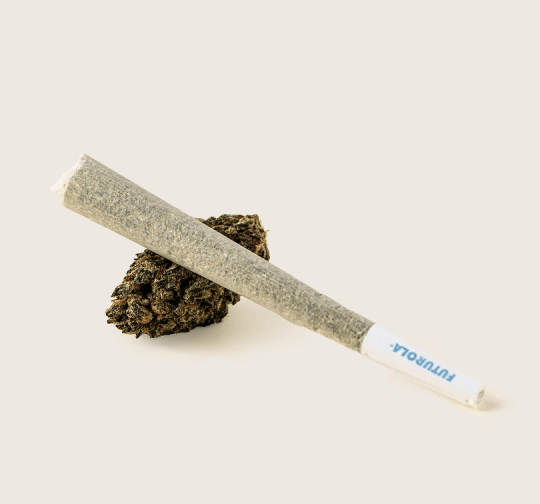
Pre-Rolls
What Chronic Pain Really Is and Why It’s So Complex
Chronic pain affects millions of adults in the United States. According to the Centers for Disease Control and Prevention, around 20 percent of U.S. adults live with chronic pain, and nearly 7 percent experience high-impact chronic pain that significantly limits daily life. That is not a small number. It represents real people navigating work, sleep, family responsibilities, and mental health while managing persistent discomfort.
For many, traditional pain management tools such as non-steroidal anti-inflammatory drugs, physical therapy, injections, or prescription medications offer partial relief. For others, side effects become just as challenging as the pain itself. For some, these options are simply unobtainable. That is part of the reason more people are asking about how cannabis can help.
Pain that lasts longer than three months is generally considered chronic. Unlike acute pain, which serves as a warning sign after injury, chronic pain can persist long after tissues have healed. In some cases, the nervous system becomes sensitized, so it will continue to send pain signals even without ongoing damage.
Conditions commonly associated with chronic pain include:
- Arthritis and joint degeneration
- Fibromyalgia
- Chronic lower back pain
- Neuropathy and nerve-related pain
- Autoimmune conditions involving inflammation
The National Institute of Neurological Disorders and Stroke explains that chronic pain often involves changes in the central nervous system itself. Over time, the brain and spinal cord can amplify signals, making mild stimuli feel intense.
That complexity is why a one-size-fits-all approach rarely works. Pain is not just physical. It intersects with mood, sleep, inflammation, and stress hormones. Cannabis interacts with many of those same systems.
How Cannabis Interacts With the Endocannabinoid System
The endocannabinoid system, or ECS, is a regulatory network found throughout the body. It helps maintain internal balance across functions such as pain perception, immune response, mood regulation, and sleep cycles.
The ECS includes:
CB1 receptors are located primarily in the brain and nervous system
CB2 receptors are located mostly in immune cells and peripheral tissues
Endocannabinoids that the body produces naturally
Enzymes that break down those endocannabinoids
Cannabinoids from the cannabis plant interact with this system.
THC binds directly to CB1 receptors in the brain. This interaction can alter how pain is perceived, sometimes reducing the intensity of discomfort or shifting the emotional response to it.
CBD does not bind strongly to CB1 receptors. Instead, it influences multiple signaling pathways, including inflammatory mediators and serotonin receptors. It may also help prevent the breakdown of the body’s own endocannabinoids, allowing them to function longer.
Research discussed by the National Center for Complementary and Integrative Health notes that cannabinoids may help reduce certain types of chronic pain, particularly neuropathic pain, though results vary depending on the condition and formulation.
When people ask how cannabis can help with chronic pain, the answer often lies in this combined influence on nerve signaling, inflammation, and stress response.
How Cannabis Can Help With Chronic Pain in the Body
Chronic pain is not just about damaged tissue. It is often about ongoing inflammation, nerve sensitization, and altered pain thresholds. Cannabis may support these areas in several ways.
Modulating Pain Signals
THC’s interaction with CB1 receptors in the central nervous system can reduce the intensity of pain signals reaching the brain. This does not necessarily remove the source of pain, but it may lower how strongly it is experienced.
This is particularly relevant for neuropathic pain, which involves damaged or malfunctioning nerves. Some clinical reviews have found cannabinoids to be moderately effective for certain nerve-related conditions.
Supporting Inflammation Regulation
Inflammation plays a key role in arthritis, autoimmune disorders, and muscle pain. CB2 receptor activation in immune cells may help regulate inflammatory responses. CBD has also been studied for its potential anti-inflammatory properties.
Chronic inflammation is not something to blunt aggressively without understanding the root cause. Cannabis appears to work more as a modulator than a suppressor, which may align well with long term wellness routines when used responsibly.
Influencing Sleep and Mood
Pain and sleep are tightly connected. Poor sleep increases pain sensitivity. Ongoing pain disrupts sleep. THC in low to moderate doses may help some individuals fall asleep faster, while CBD may support overall calm and nervous system regulation.
Improving sleep quality can indirectly reduce perceived pain levels. In this way, cannabis may address secondary contributors to chronic discomfort rather than targeting only one pathway.
Product Types and Consumption Methods for Pain Relief
When considering how cannabis can help with chronic pain, the method of consumption matters.
Tinctures
Tinctures are taken sublingually and absorbed through tissues under the tongue. Effects typically begin within 15 to 45 minutes and may last several hours. They allow for precise dosing, which is important when managing ongoing symptoms.
At Nurse Wellness, our CBD-forward tinctures and balanced cannabinoid blends are designed for individuals who want steady, controlled support rather than rapid intensity.
Edibles
Edibles take longer to activate but often last longer than inhaled products. For individuals with persistent pain throughout the day or night, this extended duration may be helpful. Starting with low doses is key, especially for THC-containing products.
Our lab-tested gummies are formulated for clarity in dosing so users can build gradually and monitor how their body responds.
Inhaled Products
Vapes and flower offer a faster onset, often within minutes. This may benefit individuals dealing with sudden spikes in discomfort. However, inhalation is not appropriate for everyone, especially those with respiratory concerns.
Topicals
Topicals are applied directly to the skin for localized relief. They are commonly used for arthritis in hands and knees, muscle soreness, and targeted inflammation.
Each method carries different onset times, durations, and systemic effects. Matching the method to the type of pain and daily routine is part of intentional use.
Common Conditions: Arthritis, Fibromyalgia, Back Pain, and Nerve Issues
Arthritis
Joint inflammation and stiffness are hallmarks of arthritis. Topical cannabis products containing CBD or balanced CBD and THC are commonly used for localized joint discomfort. Because topicals act on local cannabinoid receptors in the skin and underlying tissues, they generally do not produce intoxication.
Fibromyalgia
Fibromyalgia involves widespread pain, fatigue, and heightened sensitivity to touch. Some patients report benefit from low-dose THC combined with CBD, especially in the evening. Research is still emerging, but patient-reported outcomes suggest cannabinoids may improve sleep and reduce overall discomfort.
Chronic Back Pain
Back pain may involve muscle tension, disc issues, or nerve compression. Inhaled cannabis products offer a faster onset, which some individuals prefer for flare-ups. Others use tinctures for longer-lasting support throughout the day. Topicals are also available to support different mediums needed for continuous pain relief.
Neuropathy
Neuropathic pain can feel like burning, tingling, or electric sensations. Studies have shown that certain cannabis based medicines may provide modest relief for neuropathic pain that does not respond to conventional treatment. Again, responses vary and medical guidance is important.
If you experience chronic discomfort or a pain disorder that’s interfering with your daily life and traditional medications are not working for you, talk to your doctors about treatment options and if CBD, THC, or CBG may be an option for you.
What the Research Says: Evidence, Benefits, and Limitations
Scientific evidence around cannabis and chronic pain continues to evolve. Some systematic reviews suggest moderate evidence for cannabinoids in neuropathic pain and limited evidence for other types of chronic pain.
The World Health Organization has acknowledged the potential therapeutic value of cannabinoids while also calling for more rigorous clinical trials.
Limitations to understand include:
- Variability in product quality
- Differences in THC and CBD ratios
- Limited long-term randomized controlled trials
- Individual differences in metabolism and sensitivity
Cannabis may not be effective for everyone. It may cause side effects such as dizziness, dry mouth, cognitive slowing, or anxiety at higher doses of THC. It can also interact with certain medications.
Approaching cannabis as a supportive tool rather than a cure creates realistic expectations: education, lab testing, and gradual dosing matter.
Building an Intentional Pain Support Routine
If you are exploring how cannabis can help with chronic pain, begin with clarity.
- Identify the type of pain you experience.
- Consider whether it is constant or episodic.
- Think about how it affects sleep, mood, and function.
- Start low and increase slowly.
Many individuals benefit from combining cannabinoids. For example, a CBD-dominant tincture during the day and a balanced THC and CBD edible in the evening may support both functionality and rest.
At Nurse Wellness, we emphasize lab-tested THCa flower, balanced tinctures, and carefully formulated gummies designed to support overall harmony. Chronic pain is not just a physical experience; it impacts energy, patience, relationships, and confidence. Products should align with and benefit your lifestyle, not disrupt it.
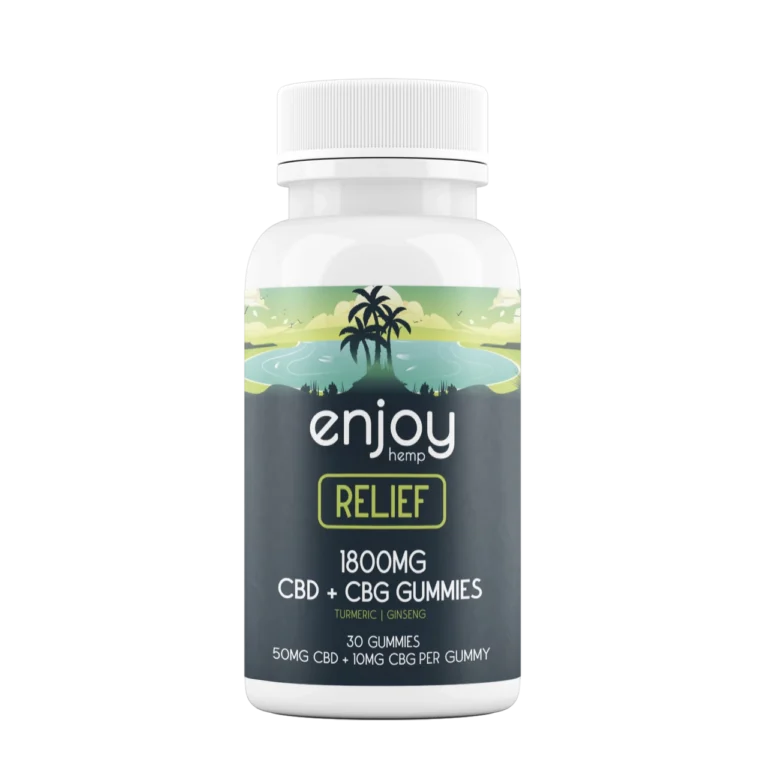
Designed to provide relief and support overall wellness, making them a convenient and tasty way to incorporate CBD into your daily routine.
Frequently Asked Questions:
Is cannabis safe to use daily for chronic pain management?
Daily cannabis use may be appropriate for some individuals managing persistent pain, but safety depends on dosage, cannabinoid ratios, personal tolerance, and underlying health conditions. Lower, consistent dosing is often better tolerated than high, intermittent doses. Anyone considering daily use should consult a healthcare provider, especially if taking other medications.
How long does it take for cannabis to start working for chronic pain?
Onset time depends on the method of consumption. Inhaled cannabis may take effect within minutes, tinctures typically work within 15–45 minutes, and edibles can take 1–2 hours. Long term benefits for chronic pain management may require gradual dose adjustments over days or weeks to find an effective routine.
Can cannabis replace prescription pain medications?
Cannabis should not be viewed as a direct replacement for prescribed medications without medical supervision. Some individuals report reducing their reliance on certain medications after introducing cannabinoids, but this should only be done under guidance from a qualified healthcare provider to avoid withdrawal effects or unmanaged symptoms.
What is the best cannabinoid ratio for chronic pain?
There is no universal ratio that works for everyone. Some people respond well to CBD dominant formulas for daytime use, while others benefit from balanced THC and CBD products. Neuropathic pain may respond differently than inflammatory pain, so individualized experimentation at low doses is often necessary.
Will cannabis build tolerance over time when used for chronic pain?
Yes, tolerance to THC can develop with frequent use. This may reduce effectiveness at the same dose over time. Strategies such as using the lowest effective dose, incorporating CBD, or taking short tolerance breaks may help maintain long term balance in a cannabis based pain management routine.
Cannabis, Chronic Pain, and Long-Term Balance
Understanding how cannabis can help with chronic pain is about more than chasing relief. It is about learning how the endocannabinoid system participates in pain regulation, the balance of inflammation, sleep quality, and emotional resilience.
Chronic pain doesn’t just disappear overnight. For many, it requires layered strategies that may include movement, nutrition, medical guidance, stress reduction, and thoughtful cannabinoid use. Cannabis can become one part of that broader wellness approach when chosen intentionally.
At Nurse Wellness, we believe education is as important as access. That is why we provide lab-tested THCa flower, CBD gummies, tinctures, concentrates, and vapes designed to support clarity, balance, and whole body wellness. Visit any of our stores to browse and get some recommendations from our experienced budtenders, or order from the comfort of your couch today. Our focus is on transparency, responsible dosing, and products that complement healthy routines rather than complicate them. As always: start low, go slow, and be mindful!