

CBG Explained: Effects of the Mother Cannabinoid
Learn how CBG works, how it differs from CBD and THC, and why its clear-headed, non-intoxicating effects are gaining attention in modern cannabis.

Table of Contents:
What CBG Is and Why It Matters
How CBG Works in the Body
How CBG Influences the Brain
CBG Compared to CBD, THC, and CBN
Why CBG Is Rising in Modern Formulations
The Future of CBG in Cannabis Science

Edibles

Flower
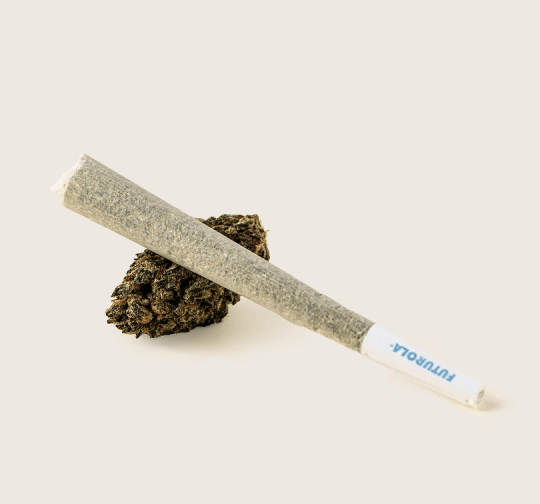
Pre-Rolls
If you’ve been around the cannabis industry for some time, you know industry trends come and go faster than most people can keep up with. When a new cannabinoid gains traction, and all of a sudden everyone gets excited for weeks, and then it disappears into the distance. But every so often, something actually sticks. CBG is one of those things that quietly kept showing up until people finally went, “Okay… what’s the deal with this one?”
I’ll be honest: for years, I barely paid attention to CBG. It was like the underdog character in a movie you forget about until the last twenty minutes. But once I learned how central it is in the plant, the whole “mother cannabinoid” nickname made a lot more sense.
What Exactly Is CBG?
CBG is basically the starting point for a bunch of other cannabinoids. When the cannabis plant is young, it’s loaded with CBGA — think of it as the raw ingredient. As the plant matures, most of that CBGA gets converted into THCA, CBDA, and a few others. Whatever tiny amount is left becomes CBG.
For years, this tiny percentage made CBG almost impossible to produce at scale. It was expensive, rare, and honestly not on most people’s radar. Now that growers have figured out how to reproduce CBG-heavy strains, it’s no longer a rarity amongst us. You can actually find it without having to hunt for.
And no: CBG will not get you high. Not even a little. If THC is the loud friend at the party, CBG is the one who keeps everyone hydrated.
How CBG Affects the Body
The way CBG works in the body is a little different from better-known cannabinoids. While many cannabinoids interact indirectly with the endocannabinoid system, CBG actually binds to both major receptor types—CB1 and CB2—although it does so in its own unique way.
CB1 receptors are mostly found in the brain and central nervous system, but CBG binds to them only weakly. This is one of the reasons it doesn’t produce the euphoric effects associated with THC. CB2 receptors are found throughout the immune system and the body’s peripheral tissues, and CBG tends to interact with those more directly.
Because of this, early research suggests that CBG might influence physical processes such as inflammation, digestive balance, muscle tension, appetite, and even eye pressure. Most of the studies so far have been preclinical, so there’s a lot still to learn, but the early findings are promising enough that scientists are taking CBG seriously.
How it feels (and how it doesn’t)
The interesting thing about CBG is that people describe it in a way that doesn’t sound like CBD, but also doesn’t sound like a stimulant. It’s more like your brain suddenly stops tripping over invisible speed bumps. A little more clarity. A bit more “Ah, okay — I can actually finish things today.”
It’s calm, but not sleepy. Bright, but not buzzy.
That difference probably comes from how CBG works with serotonin and GABA systems. I won’t pretend it’s fully understood yet — it’s not — but the early research lines up with what people report anecdotally.
CBG vs. CBD vs. THC
You don’t need an encyclopedia for this part:
- CBD → mellow, grounding, sometimes a little too relaxing
- CBG → calm, but clearer and more “awake”
- THC → your brain is going somewhere, whether you’re ready or not
CBD tends to settle into the body, while CBG has more of a head-clearing vibe. People who get groggy on CBD often feel fine on CBG. And when paired with THC, CBG can take the edge off the intensity without flattening the mood — kind of like turning down the brightness without dimming the colors.
Pairing CBG with other cannabinoids
One thing that surprised me recently is how many brands are starting to treat CBG as the missing puzzle piece in formulas.
- CBG + CBD: clearer calm (less fog, more function)
- CBG + CBN: a smoother transition at the end of the day
- CBG + THC: softer high, more mood benefits, fewer “why did I take that?” moments
A few years ago, this kind of blending didn’t exist. Heck, even finding a CBG-dominant flower was basically impossible. Now? Growers are breeding strains specifically for high CBG content, and labs are refining extracts that didn’t exist half a decade ago.

A smooth, rounded experience designed to keep you present, composed, and uplifted without feeling heavy.
Frequently Asked Questions:
What is CBG?
CBG is a non-intoxicating cannabinoid that serves as the precursor to major cannabinoids like CBD and THC.
Why is CBG called the “mother cannabinoid”?
Its acidic form, CBGA, converts into other cannabinoids as the plant matures.
Does CBG get you high?
No. CBG does not produce intoxicating effects and binds only lightly to CB1 receptors.
How does CBG feel compared to CBD?
Many people describe CBG as clearer and more focused, while CBD feels more grounding and relaxing.
Why is CBG becoming more popular?
Growers are producing higher CBG strains, and brands use it in synergy formulas for clarity and balance.
Where Things Seem to Be Headed
Before wrapping up, it’s worth touching on one trend that’s becoming surprisingly influential: the rise of CBG in combination formulas. Because CBG interacts with the body differently than CBD, CBN, and THC, it’s increasingly being used to round out or enhance other cannabinoids.
For example, CBG paired with CBD often creates a feeling of clarity without grogginess. Combining CBG with CBN offers a more balanced transition between daytime alertness and nighttime relaxation. And in states where THC is legal, CBG is sometimes used to soften THC’s intensity while enhancing its mood-related effects.
Growers and labs are also getting more creative with CBG-rich strains and extracts. A few years ago, a CBG-dominant flower was almost unheard of. Today, it’s becoming more accessible as breeders refine plant genetics to produce higher concentrations of this once-elusive cannabinoid.
All of this signals that CBG is no longer just an up-and-coming ingredient—it’s becoming a central player in modern cannabinoid science and product formulation.
CBG may have started out as that cannabinoid nobody really cared about, but it’s clearly not staying in the background anymore. Between the plant genetics work, the research momentum, and the fact that people actually feel something from it (which isn’t true for every cannabinoid), it’s carving out a lane of its own.
There’s still a lot we don’t know — probably a lot more we think we know that’s going to change — but right now, CBG feels like one of the more genuinely promising players in the mix. Not hype for hype’s sake, but actual staying power.
Whether you pair it with something else or just try it on its own, it’s one of the first cannabinoids in a long time that feels like it’s offering something noticeably different instead of just riding the CBD wave.