

Why Getting High Can Feel Anxious Instead of Relaxing
Learn why cannabis can trigger anxiety instead of relaxation, how THC affects the brain’s fear response, and what factors make paranoia more likely.

Table of Contents:
- Understanding Weed Paranoia: What It Is and How It Feels
- THC and the Brain: Why Cannabis Can Trigger Paranoia
- Amygdala Overstimulation: The Brain’s Alarm System
- Dose, Genetics, and Biological Susceptibility
- The Role of Set and Setting in Cannabis Experiences
- How CBD Can Reduce Anxiety and Paranoia
- Practical Tips to Prevent or Manage Weed Paranoia
- Finding Balance: Intentional Cannabis Use for Emotional Well-Being

Edibles

Flower
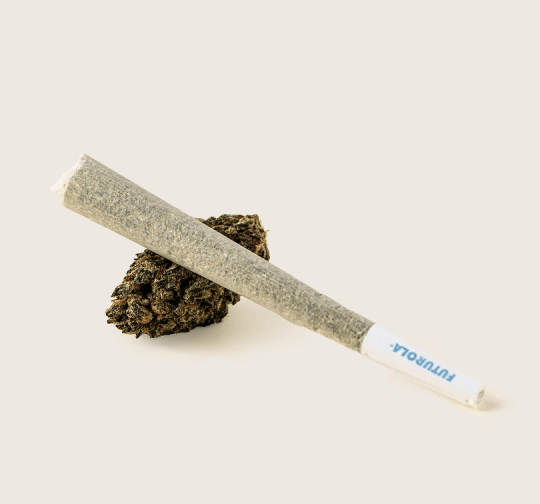
Pre-Rolls
For a long time, cannabis has been associated with relaxation, creativity, stress relief, and deeper sensory awareness. Many people explain that it enhances mood, encourages introspection, and offers a sense of peace. Others explain that cannabis can activate an entirely different response, such as racing thoughts, heightened fear, uneasiness, and even powerful paranoia.
This experience, often referred to as “weed paranoia”, can feel confusing and distressing. Especially for people who expect cannabis to be calming rather than stress-inducing. Why does this happen? Why does the same plant ease one person while making another feel hyper alert or unsafe?
The answer lies in how THC interacts with the brain, particularly the amygdala, dopamine signaling systems, and individual biological differences. Dose, environment, genetics, mental health history, and even expectations all play a significant role in whether cannabis feels soothing or overwhelming.
Being knowledgeable about the science behind cannabis induced paranoia isn’t about fear or avoidance. It’s about learning how cannabis works in the body so you can use it intentionally, safely, and in a way that supports your personal mental balance rather than disrupting it.
What Is Weed Paranoia?
“Weed paranoia” refers to a temporary state of heightened fear, suspiciousness, or perceived threat that occurs after consuming cannabis, especially THC-dominant products. It can range from mild uneasiness to intense feelings that others are watching, judging, or plotting against you, even when there’s no evidence of danger.
Common symptoms include:
- Racing or looping thoughts
- Amplified self-consciousness
- Elevated heart rate and physical tension
- Hyperintrospection of sounds, looks, or conversations
- Disorientation
- Feeling overstimulated
- A sense of losing control or safety
These effects are typically short-lived and fade as THC levels decrease in the bloodstream, but in the moment, they can feel intense and perceived as real.
THC and the Brain: Why Paranoia Happens
When trying to understand “weed paranoia”, it helps to first understand how THC affects the brain.
The Endocannabinoid System Explained
The human body has an internal system called the endocannabinoid system (ECS), which helps regulate mood, stress, appetite, sleep, memory, and emotional processing. THC interacts with this system by binding primarily to CB1 receptors in the brain.
CB1 receptors are especially dense in areas responsible for emotional regulation, threat detection, sensory processing, and memory formation.
- Emotional regulation
- Threat detection
- Memory formation
- Sensory processing
One of the most important regions involved in paranoia is the amygdala.
Amygdala Overstimulation: When Threat Detection Goes Into Overdrive
The amygdala acts as the brain’s alarm system. Its job is to detect potential threats and initiate fear or stress responses when deemed necessary. Under normal conditions, this system keeps us safe.
THC can overstimulate the amygdala, making it more sensitive to perceived danger. When this happens:
- Neutral stimuli may feel threatened
- Ordinary sounds feel louder or more significant
- Social interactions feel intense or uncomfortable
- The brain searches for meaning or danger where none exists
This doesn’t mean cannabis creates fear; it amplifies the brain’s existing threat detection system. For people already prone to anxiety or hypervigilance, this amplification can tip into paranoia.
Abnormal Salience Processing: When Everything Feels Important
Another key mechanism behind “weed paranoia” is something called abnormal salience processing.
Salience refers to how the brain decides what matters and what doesn’t. THC increases dopamine release in certain brain regions, which can cause the brain to assign excessive importance to irrelevant details.
This can lead to overthinking small comments, feelings of unrelated events somehow being connected, and believing hidden meanings exist in ordinary situations.
When the brain’s filter is disrupted, it becomes harder to distinguish real threats from harmless experiences, which is a major contributor to paranoid thinking.
Dose Matters: Why More THC Increases Risk
One of the most consistent findings in cannabis research is that paranoia is dose-dependent.
Low doses of THC may reduce anxiety for some people, but higher doses significantly increase the risk of paranoia and panic. This is especially true with:
- Concentrates
- High THC flower
- Edibles (which metabolize into stronger forms of THC)
Edibles deserve special attention to detail. When THC is processed by the liver, it converts into 11-hydroxy-THC, a compound that crosses the blood-brain barrier more easily and produces stronger psychoactive effects. This delayed and intensified response often catches users off guard, leading to unpleasant experiences.
Genetic and Biological Susceptibility
It is crucial to understand that everyone is different and not everyone’s brain responds to THC the same way.
Some individuals are genetically more sensitive to cannabis due to variations in their dopamine regulation genes, CB1 receptor density, and stress hormone responsiveness.
People with a personal or family history of anxiety disorders, panic disorder, or psychosis may be more vulnerable to weed paranoia. This doesn’t mean cannabis is inherently dangerous, but it does mean dosing and product selection matter significantly, and it is important to understand that everyone is different. Biology isn’t destiny, but it is an element worth respecting.
The Role of Set and Setting
The mindset and environment you bring into the experience, often referred to as set and setting, can dramatically influence whether THC feels calming or overwhelming.
Factors that heighten paranoia risk include:
- Stress or emotional overwhelm before use
- Unfamiliar or crowded environments
- Using cannabis to escape rather than relax
- Lack of sleep or poor nutrition
When the nervous system is already activated, THC may amplify that state instead of calming it.
Why CBD Changes the Experience
CBD plays a critical role in mitigating paranoia.
Contrary to THC, CBD does not produce intoxication. Instead, it works by:
- Modulating CB1 receptor activation
- Reducing amygdala hyperactivity
- Supporting serotonin signaling
- Lowering stress hormone release
Products with balanced THC to CBD ratios are far less likely to trigger paranoia. CBD acts as a buffer, smoothing out THC’s intensity and promoting emotional stability.
For many people, adding CBD is the difference between anxiety and ease.
How to Prevent or Manage Weed Paranoia
If you’ve experienced weed paranoia before, it doesn’t mean cannabis isn’t for you. It simply means you may need a more intentional approach.
1. Start Low and Go Slow
Lower doses reduce the probability of overwhelming the nervous system. This is especially important with edibles and when trying new products.
2. Choose Balanced Cannabinoids
Look for products that include CBD alongside THC. Balanced formulations tend to feel more grounded and predictable.
3. Be Mindful of Your Environment
Use cannabis in places where you feel secure, comfortable, peaceful, and relaxed. Familiar settings are a great idea due to lowered threat perception.
4. Practice Calming Techniques
If paranoia begins, grounding practices help regulate the nervous system:
- Slow, deep breathing
- Reassuring self-talk
- Gentle movement or stretching
- Listening to relaxing music
Remind yourself that the experience is temporary and will fade.
5. Avoid Mixing With Stimulants
Caffeine and other stimulants can amplify heart rate and anxiety, compounding paranoia.
Reframing the Experience
Many people who experience “weed paranoia” report that it diminishes over time with education and intentional use. Understanding what’s happening in the brain removes a great deal of the fear.
Paranoia isn’t a sign of weakness or failure; it’s a biological response to overstimulation. When cannabis is approached with awareness and intention, it becomes far easier to work with rather than against.
Frequently Asked Questions:
Why does cannabis make me feel paranoid?
THC can overstimulate the amygdala and increase dopamine signaling, which heightens threat perception and can make ordinary situations feel threatening.
Does the type of cannabis I use affect paranoia?
Yes, high-THC strains, concentrates, and edibles are more likely to activate paranoia, while products with balanced THC and CBD ratios tend to feel more calming and relaxing.
Can my mindset or environment influence paranoia?
Stress, lack of sleep, unfamiliar settings, or using cannabis to escape can amplify anxiety, while a relaxed, familiar environment helps reduce risk.
What can I do if I start feeling paranoid while high?
Grounding techniques like slow breathing, reassuring self-talk, gentle movement, and calming music can help. Starting with lower doses and choosing CBD-balanced products may also prevent intense paranoia.
Cannabis, Paranoia, and Finding Balance
Learning and understanding why “weed paranoia” happens is about more than dodging unpleasant moments. It’s about recognizing how cannabis interacts with the brain’s emotional systems, threat detection pathways, and individual biology. When used without intention, THC can overstimulate fear circuits and distort perception. When used mindfully, it can support calm, clarity, and emotional insight.
For countless people, managing cannabis induced paranoia is a process of recalibration. Adjusting dosages, choosing supportive cannabinoids like CBD, respecting set and setting, and listening to the body allow cannabis to work with the nervous system rather than overwhelm it. Instead of triggering fear, intentional use can encourage awareness, moderation, and emotional resilience.
Choosing cannabis with intention isn’t about strict rules or deprivation; it’s about individual alignment. Alignment with your individual biology, mental health needs, and daily rhythms. When fear responses are supported instead of hijacked, cannabis becomes a tool for equilibrium, stress relief, and grounded satisfaction.
At Nurse Wellness, we believe education is just as important as access. That’s why we offer lab-tested THCa flower, CBD gummies, tinctures, and live resin vapes designed to support overall harmony, clarity, and total wellness. Our products are crafted for individuals who value intentional cannabis use and want options that harmonize with healthy routines rather than disrupt them.
Ready to start looking to bring more peace and harmony into your cannabis experience? Shop Nurse Wellness with NJ and Philadelphia delivery, or enjoy discreet nationwide shipping. Cannabis isn’t about losing control; it’s about learning how to enjoy it in a way that supports your individual mind, habits, and long-term well-being.