
The Science Behind Cannabis for Migraine Management
Explore how THC and CBD interact with migraine pain pathways and what current research suggests about cannabis for migraine relief.

Table of Contents:
What Are Migraines?
Cannabis for Acute Migraine Relief
Study Design and Methods
Results and Effectiveness
Onset of Relief
Duration of Effects
Cannabinoids and Migraine Mechanisms
Intentional Use for Migraine Management

Edibles

Flower
Pre-Rolls
Migraines are more than just headaches. For millions of people, they are debilitating neurological events that disrupt sleep, work, relationships, and overall quality of life. Symptoms often consist of throbbing head pain, nausea, vomiting, sensitivity to light and sound, and, in some cases, visual disturbances, referred to as an aura. While there are conventional treatments that exist, many patients remain struggling with insufficient relief, side effects, or medication resistance.
Recently, growing scientific focus has turned toward cannabinoids as a potential therapeutic option. New clinical findings reported by Cannabis Culture highlight compelling evidence that vaporized cannabis containing a balanced ratio of THC and CBD may offer meaningful relief during acute migraine attacks. This research is especially relevant because it moves beyond anecdotal reports and into controlled clinical evaluation.
For people searching for cannabis for sudden migraine treatment, comprehending what this research shows and what it does not can help direct educated decisions about symptom management.
What Are Migraines and Why Are They So Difficult to Treat?
Migraines involve complicated neurological processes rather than basic vascular headaches. Experts believe they involve abnormal brain signaling, trigeminal nerve activation, neuroinflammation, and altered neurotransmitter activity, particularly serotonin and calcitonin gene-related peptide (CGRP).
Standard acute treatments include:
- Triptans
- NSAIDs
- Anti-nausea medications
- CGRP inhibitors
- Ergot derivatives
However, many patients experience:
- Insufficient symptom relief
- Reappearance after initial improvement
- Medication side effects
- Contraindications due to cardiovascular risk
- Medication overuse headaches
This treatment gap has fueled interest in alternative approaches, including cannabinoids.
Cannabis for Acute Migraine Treatment: What the New Study Examined
The recent clinical research focused specifically on acute migraine attacks, meaning treatment during an active migraine episode rather than prevention.
Experts assessed vaporized cannabis formulations containing different cannabinoid profiles:
- THC-dominant
- CBD-dominant
- Balanced THC + CBD
- Placebo
The goal was to determine:
- Whether cannabis reduces migraine pain intensity.
- Whether associated symptoms like nausea and light sensitivity improve.
- How quickly relief occurs.
- Whether benefits persist beyond the immediate treatment window.
Importantly, vaporization was chosen because it allows rapid cannabinoid absorption through the lungs, providing a faster onset than oral products such as edibles or capsules.
Study Design and Methods: How Researchers Tested Cannabis for Migraine Relief
The study used a randomized, placebo-controlled design, which is considered the prime standard for evaluating medical treatments.
Participants:
- Adults diagnosed with migraine disorder
- People experiencing active migraine attacks
- Patients with prior migraine treatment experience
Procedure:
- Participants received a vaporized dose during a migraine attack.
- Pain intensity and symptoms were tracked at multiple time intervals.
- Researchers compared cannabinoid groups to a placebo.
This method allowed scientists to isolate whether cannabinoids themselves were responsible for symptom variations rather than psychological expectation effects.
Results and Outcomes: How Effective Was Cannabis for Acute Migraine Treatment?
The balanced THC + CBD formulation produced the most consistent improvements across multiple measures, including:
- Pain reduction
- Symptom relief
- Patient-reported improvement
- Functional ability restoration
Key observations included significant pain relief, symptom improvement beyond pain, and higher response rates.
Significant Pain Relief
Participants using balanced cannabis experienced more significant reductions in migraine pain intensity compared to placebo.
Symptom Improvement Beyond Pain
Cannabis also improved associated symptoms such as:
- Nausea
- Light sensitivity
- Sound sensitivity
This is essential because migraine burden goes beyond head pain alone.
Higher Response Rates
A larger majority of participants attained meaningful clinical relief with cannabis compared to placebo.
These results propose that cannabinoids might influence multiple migraine pathways simultaneously rather than focusing on a single mechanism.
Onset of Relief: How Quickly Cannabis May Reduce Migraine Symptoms
One of the most attractive aspects of vaporized cannabis for migraine sufferers is the fast onset.
The study indicated that relief could begin relatively quickly after inhalation, often within minutes to an hour.
This rapid onset is clinically important because early treatments can improve migraine outcomes, severe attacks can intensify quickly, and faster relief may decrease the need for additional medications.
The inhalation route allows cannabinoids to enter circulation almost immediately, bypassing digestion and liver metabolism.
Duration of Benefits: How Long Effects May Last After Treatment
Another key question for patients considering cannabis for acute migraine treatment is duration.
The research proposed that benefits could continue for several hours after administration. Some participants experienced sustained symptom reduction without instant recurrence.
However, duration varied between individuals due to factors like personal metabolism, dosage, cannabinoid tolerance, migraine severity, and timing of treatment during the attack.
This variability highlights the value of personalized approaches rather than a one-size-fits-all dosing.
What This Research Suggests About Cannabinoids and Migraine Mechanisms
Researchers believe cannabinoids interact with several biological systems involved in migraine pathology:
Endocannabinoid System Regulation
The body’s endocannabinoid system helps regulate:
- Pain perception
- Inflammation
- Neurotransmitter release
- Stress response
Some scientists suggested that migraine may involve endocannabinoid deficiency or dysregulation, making cannabinoids potentially therapeutic.
Anti-Inflammatory Effects
Cannabinoids may reduce neuroinflammation associated with migraine attacks.
Neuromodulation
THC and CBD influence neurotransmitters such as:
- Serotonin
- Dopamine
- Glutamate
These pathways are firmly linked to migraine development.
Pain Signal Processing
Cannabinoids may reduce trigeminal nerve activation, which is a major driver of migraine pain.
The combination of THC and CBD appears very promising due to:
- THC contributes to analgesic effects.
- CBD may reduce inflammation and modulate THC side effects.
- Balanced ratios may provide equilibrium.
Using Cannabis Intentionally for Migraine Symptom Management
For people searching for cannabis for acute migraine treatment, intentional use is critical.
Vital considerations include:
Consumption Method
- Vaporization: fastest onset
- Tinctures: moderate onset
- Edibles: slower but longer-lasting effects
Cannabinoid Ratios
Balanced THC and CBD may offer benefits with fewer side effects than THC alone.
Dosage
Starting low and adjusting gradually helps minimize unwanted effects like:
- Dizziness
- Anxiety
- Sedation
- Cognitive impairment
Timing
Early intervention during migraine onset may improve effectiveness.
Medical Guidance
Individuals with medical conditions or those taking medications should consult healthcare professionals before using cannabinoids.
Cannabis is not universally effective, but for some patients, it may provide an additional tool when conventional options fall short.
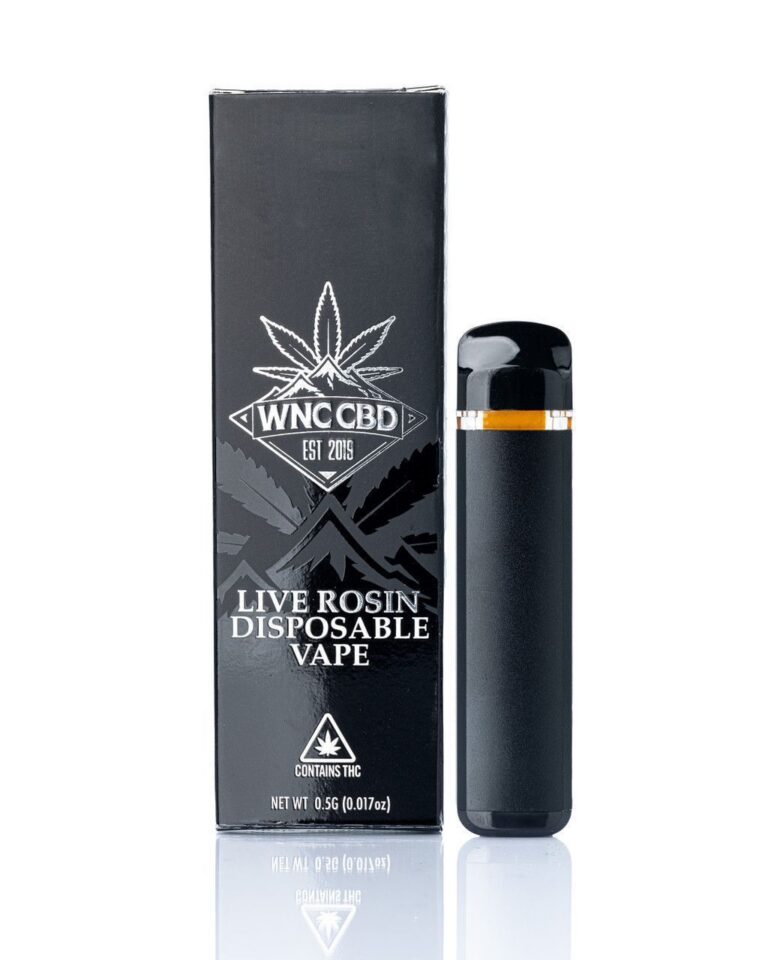
The aroma is pungent and musky with a sweet, jammy finish, while the effects settle into calming body relaxation paired with gentle, euphoric uplift.
Frequently Asked Questions:
Does cannabis actually work for migraines?
New clinical evidence suggests that cannabis, particularly formulations containing both THC and CBD, may reduce pain and associated symptoms during acute migraine attacks. Results vary between individuals, but research indicates meaningful potential.
How fast does cannabis work for migraine relief?
Vaporized cannabis can begin working within minutes because cannabinoids enter the bloodstream quickly through the lungs. Faster onset compared to oral methods is one reason inhalation is studied for acute migraine treatment.
Is THC or CBD better for migraines?
Research suggests that balanced THC and CBD combinations may be more effective than either cannabinoid alone. THC contributes analgesia, while CBD may support anti-inflammatory and regulatory effects.
Can cannabis prevent migraines or only treat attacks?
Some individuals report preventive benefits, but current research is stronger for acute symptom relief during attacks. More long-term studies are needed to confirm prevention effects.
What should I consider before using cannabis for migraines?
Factors such as dosage, cannabinoid ratio, consumption method, and individual tolerance can influence results. Consulting a healthcare professional is recommended, especially if you are taking other medications or managing chronic conditions.
Cannabis, Migraines, and Finding Relief
Learning and comprehending how cannabinoids interact with migraine pathways goes way above trends or headlines. It’s about identifying how compounds like THC and CBD influence pain signaling, inflammation, neurological sensitivity, and the body’s natural regulatory systems. While conventional medications remain essential for many patients, cannabis introduces a different therapeutic pathway, one that can support relief when other options fall short.
For the majority of people, migraine management isn’t about eliminating discomfort instantly; it’s about improving function, reducing severity, and regaining control during attacks. Supporting the nervous system with carefully selected cannabinoid ratios, respecting dosing strategies, and aligning treatment with symptom timing can transform overwhelming migraine episodes into more manageable experiences.
Choosing cannabis with purpose isn’t about substituting traditional medicine; it’s about expanding options. When cannabinoids are used intentionally and responsibly, they may become part of a wider strategy for neurological balance and overall quality of life.
At Nurse Wellness, we highly believe that education is just as key as access. That’s why we offer lab-tested THCa flower, CBD gummies, concentrates, tinctures, infused drinks, and live resin vapes created to support overall equilibrium, clarity, and general wellness. Our products are crafted for people who prioritize intentional cannabis use and want options that integrate smoothly into personal healthy routines rather than compete with them.
Are you ready to start exploring cannabis for acute migraine treatment with more confidence and clarity? Shop Nurse Wellness with NJ and Philadelphia delivery, or enjoy discreet nationwide shipping. Cannabis isn’t about losing control; it’s about learning how to use it in a way that supports your individual body, symptoms, long-term goals, and overall wellness.