
From Seed to Sale: How Cannabis Reaches Dispensary Shelves
Learn how regulated cannabis moves from cultivation through testing, packaging, and distribution before reaching licensed dispensaries near you.
Table of Contents:
- What the Legal Cannabis Lifecycle Actually Means
- The Cultivation Stage: Where Legal Cannabis Begins
- Harvesting and Initial Processing: Preparing the Plant
- Laboratory Testing and Compliance Requirements
- Packaging, Labeling, and Regulatory Standards
- Distribution and Transport Through the Licensed Supply Chain
- Retail Dispensaries and Consumer Access
- Why Regulation and Transparency Matter for Cannabis Consumers

Edibles

Flower
Pre-Rolls
Cannabis today is not the same loosely regulated plant that once moved through informal channels. In current legal markets, cannabis follows a structured, closely monitored path before it ever reaches a consumer’s hands. Every stage, from cultivation to testing to retail sale, must align with strict regulatory standards created to ensure safety, transparency, and product consistency.
This journey is known as the legal cannabis lifecycle, and it represents the regulated supply chain that governs how licensed cannabis travels from the grow room to dispensary shelves.
For consumers, understanding this lifecycle offers more than just curiosity; it builds trust. When you walk into a licensed dispensary or purchase lab-tested cannabis products, you are engaging with a system built to prioritize safety, quality control, and accountability.
In this blog, we are going to take a deeper look at how cannabis moves through this regulated process and what happens at each stage.
What the Legal Cannabis Lifecycle Actually Means
The legal cannabis lifecycle refers to the complete regulated journey cannabis takes from cultivation to final retail sale. In contrast to unregulated markets of the past, legal cannabis moves through a monitored supply chain formulated to maintain product integrity and consumer safety.
Every stage of this lifecycle is documented and supervised. In many states, cannabis products are overseen through digital systems often referred to as “seed-to-sale” tracking. This means each plant receives an identification number early in its life and remains traceable through cultivation, processing, testing, distribution, and retail.
This tracking system ensures:
- Product traceability
- Compliance with state regulations
- Accurate inventory management
- Consumer safety through product tracing
If an issue arises, such as a contamination concern, regulators can trace the product back through the system to determine exactly where it originated.
The overall goal is transparency. Legal cannabis isn’t just grown and sold; it moves through a carefully documented chain that protects both businesses and consumers.
The Cultivation Stage: Where Legal Cannabis Begins
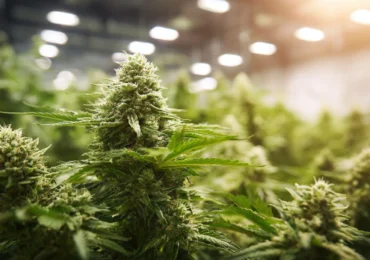
Every cannabis product starts in the cultivation facility, often called the grow room. Licensed cultivators operate under strict guidelines governing everything from plant genetics to environmental conditions.
Cannabis cultivation is both science and art. Growers carefully manage factors like:
- Light cycles
- Humidity levels
- Nutrient balance
- Temperature control
- Pest management
These environmental variables greatly influence how cannabis develops, affecting its cannabinoid levels, terpene profiles, and overall plant health.
Cultivators typically grow cannabis indoors, in greenhouses, or outdoors, depending on local regulations and facility capabilities. Indoor cultivation creates room for tighter environmental control, while greenhouse and outdoor methods can use natural sunlight and seasonal conditions.
Throughout this stage of the legal cannabis lifecycle, plants are observed closely and tracked using identification tags. These tags connect each plant to the compliance system, ensuring that every step of the process is documented.
This level of observation helps to verify that cannabis entering the market meets strict quality standards before it even reaches the next stage.
Harvesting and Initial Processing: Preparing the Plant
Once cannabis plants reach maturity, cultivators begin the harvesting process. Harvest timing is essential because it specifically influences cannabinoid potency and terpene expression.
After plants are harvested, they pass through two essential steps, which are drying and curing.
Drying removes excess moisture from the plant material, preventing mold growth and preserving cannabinoids. This process typically occurs in climate-controlled rooms where humidity and airflow are closely regulated.
Curing follows drying and allows the plant’s chemical profile to stabilize. During curing, cannabinoids and terpenes develop more balanced characteristics, enhancing both aroma and overall experience.
Once cured, cannabis flower may be processed into extracts, prepared for infused products, or trimmed for retail sale.
At this point in the legal cannabis lifecycle, the plant has progressed from raw agricultural product to something ready for formal quality testing.
Laboratory Testing and Compliance Requirements
One of the most vital steps in the legal cannabis supply chain is laboratory testing.
Before cannabis products can be distributed or sold, they must be tested by licensed laboratories. These independent labs analyze cannabis for several important factors, including:
- Cannabinoid potency (THC, CBD, CBG, etc.)
- Terpene content
- Pesticide contamination
- Microbial safety
- Residual solvents in extracts
- Heavy metals
Testing ensures that products meet safety standards established by state regulators.
If a product fails testing, it cannot move forward in the supply chain. In some cases, it must be remediated or destroyed depending on the nature of the failure.
For consumers, this testing process is extremely important. It provides confidence that the cannabis product being purchased has been screened for contaminants and labeled accurately.
Many products include a QR code linking to a Certificate of Analysis (COA), allowing consumers to review laboratory results directly.
Testing represents a major safeguard within the legal cannabis lifecycle, safeguarding both public health and industry integrity.
Packaging, Labeling, and Regulatory Standards
After passing laboratory testing, cannabis products move to the packaging stage.
Packaging is not simply about presentation. It must meet specific regulatory requirements created to guarantee product safety and prevent accidental consumption.
Common packaging standards include:
- Child-resistant containers
- Tamper-evident seals
- Transparent cannabinoid labeling
- Warning statements
- Batch tracking information
Labels usually display the serving size guidance, THC and CBD levels, laboratory batch numbers, and ingredient lists for infused products.
These labeling requirements help consumers understand exactly what they are purchasing and how to use it responsibly.
Proper packaging also protects the product itself by blocking contamination and preserving cannabinoid stability.
Within the legal cannabis lifecycle, packaging acts as the last quality checkpoint before products move toward retail distribution.
Distribution and Transport Through the Licensed Supply Chain
Once cannabis products are packaged and authorized for sale, they move into the distribution stage.
Licensed cannabis distributors are in charge of transporting products from cultivation or manufacturing facilities to dispensaries. In many states, distributors serve as a regulatory checkpoint, verifying that products meet compliance standards before entering retail markets.
Transporting cannabis is not carefree; it follows strict rules regarding:
- Secure vehicles
- Documented transport manifests
- Inventory verification
- Controlled delivery routes
Products remain tracked through the compliance system during transportation. Every movement is logged, ensuring that cannabis cannot legally enter the market without the proper documentation.
This stage helps maintain accountability across the legal cannabis lifecycle by preventing unauthorized diversion of products and ensuring accurate supply chain tracking.
Retail Dispensaries and Consumer Access
The final stage of the legal cannabis lifecycle occurs at licensed retail dispensaries.
Dispensaries act as the consumer-facing final stage of the cannabis supply chain. By the time products arrive on dispensary shelves, they have already passed through cultivation oversight, laboratory testing, packaging compliance, and regulated distribution.
At the retail level, staff members, also known as budtenders, help consumers navigate product options and understand labeling information.
Dispensaries may offer a wide range of cannabis products, such as concentrates, flower, topicals, tinctures, vape cartridges, and edibles.
Retail operations must also follow strict compliance guidelines related to:
- Age verification
- purchase limits
- Inventory accountability
- secure storage
Due to dispensaries being the final endpoint before cannabis reaches consumers, their role in maintaining regulatory compliance is crucial.
Why Regulation and Transparency Matter for Cannabis Consumers
The modern cannabis industry is built on regulation, proper supervision, and consumer protection.
Before legalization, cannabis products often lacked quality control or testing transparency. Today’s legal markets aim to change that by implementing structured compliance systems throughout the legal cannabis lifecycle.
These safeguards help ensure that cannabis products are:
- Transparent labeling
- Free from harmful contaminants
- Consistently produced
- Safely distributed
For consumers, this regulated system offers peace of mind. It means that the cannabis products available through licensed retailers have gone through and passed multiple checkpoints designed to protect public health.
Recognizing the lifecycle also helps consumers make more intentional decisions about where their cannabis comes from and how it was produced.
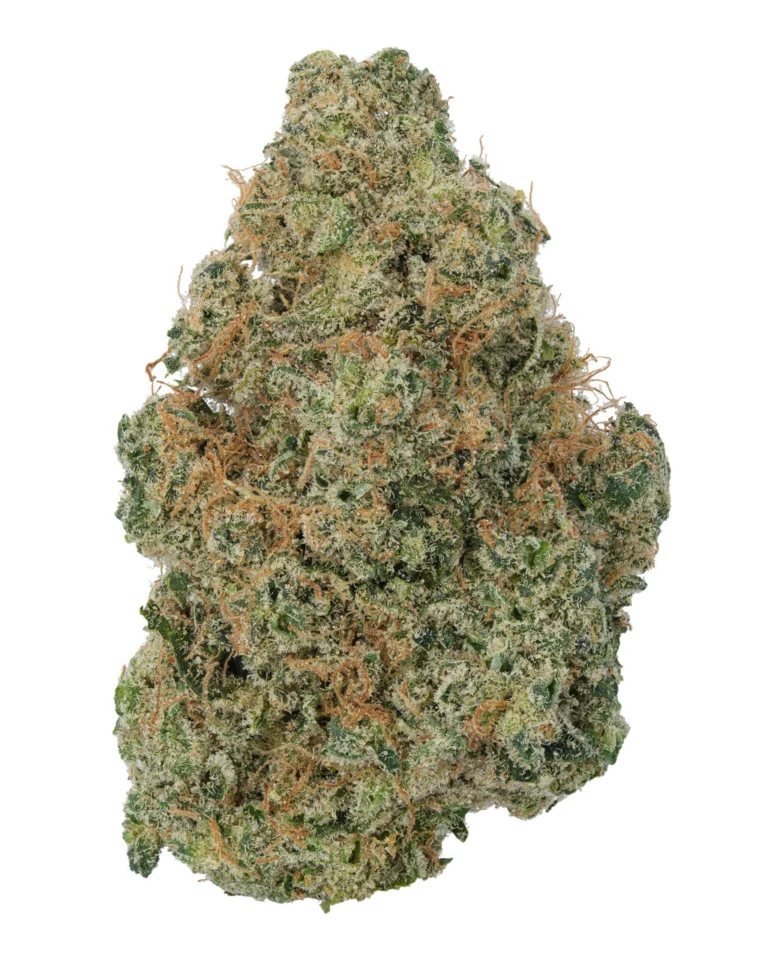
Bursting with flavor, this hybrid tantalizes the palate with hints of sweet citrus and earthy undertones reminiscent of a sun-kissed orchard.
Frequently Asked Questions:
What is the legal cannabis lifecycle?
The legal cannabis lifecycle refers to the regulated process cannabis follows from cultivation and harvesting through testing, packaging, distribution, and retail sale before reaching consumers.
Why does cannabis need to be tested before being sold?
Laboratory testing ensures cannabis products meet safety standards by screening for contaminants like pesticides, heavy metals, and microbial growth while verifying cannabinoid potency.
What does “seed-to-sale tracking” mean?
Seed-to-sale tracking is a compliance system used in legal cannabis markets that monitors products from the moment a plant is cultivated until the final product is sold at a dispensary.
Can dispensaries sell cannabis that hasn’t been tested?
No, in regulated markets cannabis must pass licensed laboratory testing and meet compliance requirements before it can legally be distributed or sold at retail dispensaries.
How does the legal cannabis supply chain protect consumers?
The regulated supply chain uses testing, tracking systems, packaging rules, and licensed distribution to help ensure cannabis products are traceable, accurately labeled, and free from harmful contaminants.
The Legal Cannabis Lifecycle, Transparency, and Consumer Confidence
Learning and being knowledgeable about the legal cannabis lifecycle goes beyond the curiosity of how cannabis is grown or sold. It’s about understanding the intricate regulatory system that ensures cannabis products move safely from cultivation to consumer access. From plant genetics and controlled growth environments to laboratory testing and secure distribution, every step of the lifecycle plays a role in protecting product integrity.
For many consumers, improving their cannabis experience isn’t just about potency or strain selection; it’s about trust. Knowing that cannabis has been cultivated responsibly, tested for safety, and transported through a regulated supply chain can make a significant difference in how people approach cannabis consumption.
Choosing legal cannabis also assists transparency and accountability within the industry. When cannabis passes through licensed facilities and regulated distribution networks, it reduces uncertainty and increases consumer confidence.
At Nurse Wellness, we strongly believe that education is just as key as access. That’s why we offer lab-tested THCa flower, CBD gummies, concentrates, tinctures, infused drinks, and live resin vapes crafted to support overall equilibrium, clarity, and general wellness. Our products are designed for people who value intentional cannabis use and want choices that integrate swiftly into healthy routines rather than compete with them.
Are you ready to start looking to bring more balance and harmony into your cannabis experience? Shop Nurse Wellness with NJ and Philadelphia delivery, or enjoy discreet nationwide shipping. Cannabis isn’t about losing control; it’s about educating yourself on how to use it in a way that supports your personal mind, habits, and overall well-being.