
What Is THCp? Effects, Potency, and Safety Explained
Discover what THCp is, how it affects the body, and why its potency matters, with clear guidance to help you decide if THCp is right for you.
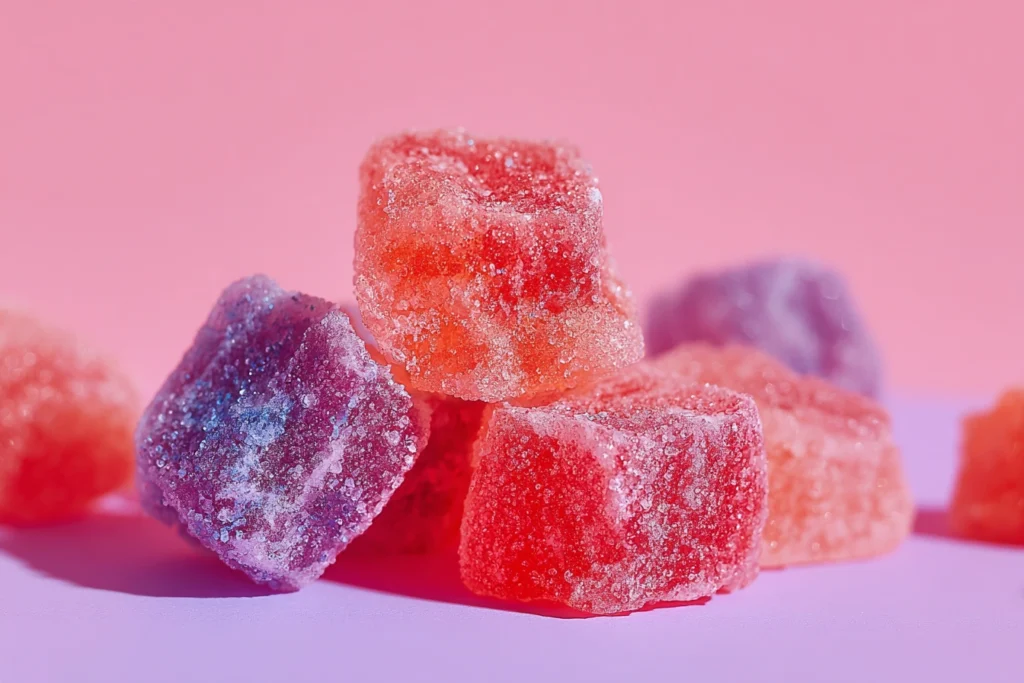
Table of Contents:
- What THCp Is and Why It’s Different
- Why THCp Is So Potent
- How THCp Is Made and Where It Comes From
- THCp vs. Other Cannabinoids (THC, Delta-8, HHC)
- Commonly Reported Effects of THCp
- THCp Edibles and Dosing Considerations
- Potential Risks and Who Should Avoid THCp
- Legal Status, Safety Tips, and Final Takeaways

Edibles

Flower
Pre-Rolls
The world of cannabis is always evolving. As research persists and consumer interest grows, new cannabinoids continue to emerge. While some have subtle effects, others are incredibly powerful. Recently, one of the most talked about compounds is THCp, which is short for tetrahydrocannabiphorol.
THCp is often described as significantly more potent than traditional THC and has gained lots of attention in hemp-derived products like gummies, vapes, and tinctures. However, with that attention comes confusion, exaggerated claims, and real safety concerns, especially when products advertise high levels of THC without clear education around dosing.
This blog offers a clear, evidence-based breakdown of the THCp cannabinoid. Where it comes from, why it’s so strong, how it’s made, its legal ambiguity, what effects users report, and the real risks of overconsumption. With this knowledge, you can decide whether THCp products are something you want to approach, avoid, or handle with extreme caution.
What Is THCP?
THCp (tetrahydrocannabiphorol) is a naturally occurring cannabinoid found in extremely small amounts throughout the plant. THCp was first identified in 2019 by a team of Italian researchers examining samples of cannabis plants. While structurally similar to delta-9 THC, the compound is responsible for the classic cannabis “high.” THCp differs in a subtle but crucial way.
The difference lies in its alkyl side chain, which is a molecular feature that determines how strongly cannabinoids interact with receptors in the body.
- Delta-9 THC has a five-carbon side chain
- THCP has a seven-carbon side chain
This longer side chain allows THCp to bind much more efficiently to cannabinoid receptors, particularly the CB1 receptors in the brain. That enhanced binding is the primary reason the THCp cannabinoid is considered extremely potent.
Why Is the THCp Cannabinoid So Potent?
Cannabinoids work by interacting with the endocannabinoid system (ECS), a complex signaling network that helps regulate mood, pain, appetite, memory, and stress response.
CB1 receptors are concentrated in the brain and central nervous system; they are largely responsible for the psychoactive effects people associate with THC.
Research suggests that:
- THCp binds to CB1 receptors much more strongly than delta-9 THC
- Stronger binding often translates to stronger and longer-lasting effects
- Even small amounts of THCp may feel intense, especially for inexperienced users with a low tolerance to THC
This is why THCp is often described as being “immensely stronger” than THC. That being said, higher potency does not automatically mean a better experience. In many cases, it increases the possibility of side effects or overall discomfort.
Is THCP Natural or Lab-Made?
THCp does occur naturally in cannabis, but it’s found in such tiny amounts that extracting it directly from the plant isn’t practical. There simply isn’t enough THCp in raw cannabis to make commercial products that way.
Because of this, most THCp products available today are made through laboratory conversion.
The general process starts with hemp-derived CBD. The CBD is converted into different cannabinoids through controlled chemical reactions. For THCp, chemists alter the molecular structure so it mirrors naturally occurring THCp.
While this approach is common across many modern cannabinoids, it also means that double-checking manufacturing quality, purity, and third-party lab testing are crucial. Inadequately made products may contain unwanted by-products or inconsistent cannabinoid levels.
How THCp Is Different From THC, Delta-8, and HHC
THCp is often grouped with other hemp-derived cannabinoids, but its effects and risks can be very different.
Compared to delta-9 THC:
- THCp may feel stronger
- Longer-lasting effects
- Dosing margin is much narrower
Compared to delta-8 THC:
- Delta-8 is often described as milder and clearer
- THCp can be intense and unpredictable
- Delta-8 is typically easier for beginners to manage
Compared to HHC:
- HHC tends to produce smoother, more balanced effects
- THCp can feel overwhelming at moderate doses
- HHC is often considered more functional for daily use
These differences matter when choosing products, especially when it comes to edibles.
THCP Effects: What Users Commonly Report
Because THCp is still so new, most of what we know comes from early studies, anecdotal reports, and user experiences, not long-term clinical trials.
That said, experienced users who try THCp describe very strong effects. Common reports include a strong euphoric feeling, deep body relaxation, heavy sedation, noticeably altered sensory perception, mental fog and dissociation at higher doses.
Side effects are fairly common, especially when dosing is not well understood. Potential side effects may include anxiety, rapid heart rate, dizziness, nausea, disorientation, difficulty concentrating, and intense couch lock.
The effects of THCp tend to be stronger with edibles. Because edibles take longer to kick in and are metabolized differently by the body, it’s easier to accidentally take too much and end up dealing with stronger, longer-lasting effects than expected.
THCp Gummies and Edibles: Why Dosing Is Critical
Edibles are already processed differently from inhaled cannabinoids. When you eat them, cannabinoids are processed by the liver and converted into compounds that tend to feel stronger and longer-lasting than smoking or vaping.
When you add a highly potent cannabinoid like THCp into the mix, dosing correctly becomes integral for reaching your desired effects without venturing into uncomfortable territory.
Many THCp gummies are sold in 100mg or 300mg packages, which can easily mislead consumers. In most cases, that number refers to the total cannabinoid content of the entire bag, not a single gummy. Even so, just a small portion of one gummy can feel surprisingly powerful.
Important dosing considerations:
- THCp may be active at very low milligram amounts
- Effects can take 1 to 2 hours to appear fully
- Redosing too soon is one of the most common causes of overconsumption
- Effects may last 8 to 12 hours, even longer in some cases
For less experienced users, THCp edibles can feel way more intense than expected, even when starting small. Taking your time and respecting the delayed onset can make the difference between an amazing, desirable experience and an uncomfortable one.
Potential Risks of THCp Overconsumption
Because THCp binds so strongly to CB1 receptors, taking too much can overwhelm the endocannabinoid system rather than support it. Instead of a smooth or enjoyable experience, overconsumption can lead to effects that feel uncomfortable or distressing.
Potential risks include:
- Increased anxiety or paranoia
- Nausea or vomiting
- Increased heart rate
- Extreme sedation or heaviness
- Impaired coordination and judgment
- Unpleasant psychological effects lasting several hours
Another important factor is how much we still do not know. There’s very limited long-term research on repeated THCp use, which makes it difficult to fully understand its potential impact on mental health, tolerance, or dependency over time.
Who Should Avoid THCP?
THCp isn’t a great fit for everyone. Because of how potent it is, certain people may want to be very cautious, or even steer clear of THCp products altogether.
This would include:
- People who are sensitive to THC or tend to get uncomfortable side effects
- New or inexperienced cannabis users
- Individuals who struggle with anxiety or panic symptoms
- Those with heart conditions or concerns around heart rate
- Anyone taking medications that interact with cannabinoids
For many people, milder cannabinoids can offer a more manageable and comfortable experience without the intensity that THCp often brings.
Is THCp Legal?
THCp currently exists in a legal gray area.
Under the 2018 Farm Bill, hemp-derived cannabinoids are federally legal as long as they contain less than 0.3% delta-9 THC. THCp, however, isn’t explicitly named or regulated, which leaves it in a murky spot.
Things get even more complicated at the state level:
- Some states restrict or ban intoxicating hemp-derived cannabinoids
- Others prohibit chemically modified cannabinoids, which can include lab-made THCp
- Enforcement and interpretation of the bill can vary widely by location
Before purchasing or consuming THCp products, it’s crucial to check your state and local regulations before purchasing or using THCp products. Even if something is technically legal federally, local laws could still create risk.
Is the THCp Cannabinoid Worth Trying?
Whether THCp is “worth it” really depends on your experience, tolerance, and what you’re hoping to get out of it.
Some more experienced users report that THCp can provide:
- Long-lasting effects
- Powerful physical relaxation
- A unique, intense experience
Others find it:
- Too strong or overwhelming
- Difficult to dose
- Anxiety-inducing or generally uncomfortable
For many people, the balance and predictability of milder cannabinoids matter more than chasing extreme potency. THCp can be fascinating, but it’s not for everyone.
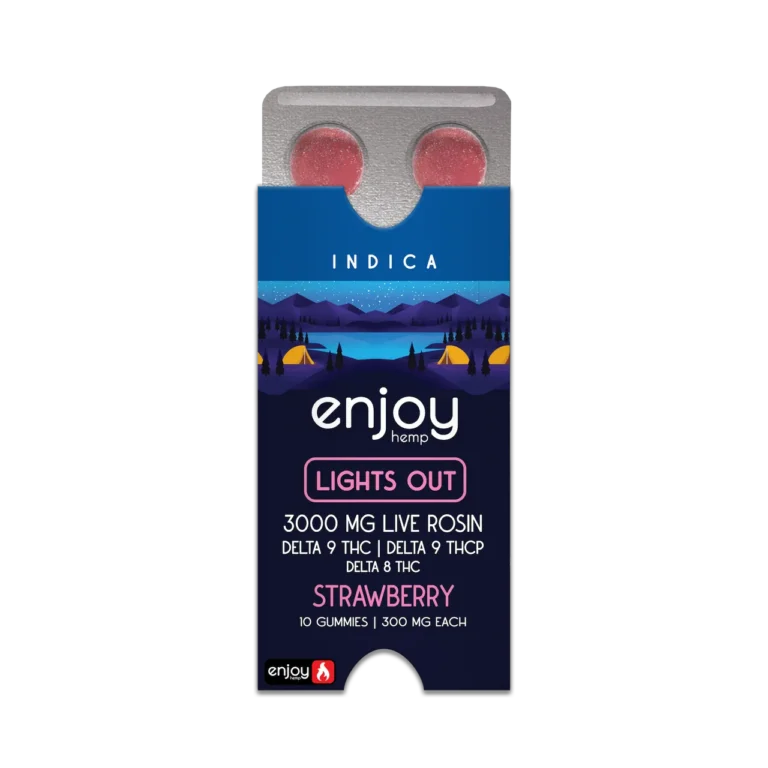
Perfect for those seeking a potent and flavorful experience, these gummies are designed to deliver exceptional results every time.
Frequently Asked Questions:
What is THCp and how is it different from THC?
THCp is a naturally occurring cannabinoid with a longer molecular side chain than delta 9 THC, which allows it to bind more strongly to cannabinoid receptors and produce more intense effects.
How strong is THCp compared to regular THC?
THCp is considered significantly more potent than delta 9 THC, meaning very small amounts can feel strong and last longer, especially for users with lower tolerance.
Are THCp products natural or lab made?
THCp occurs naturally in cannabis but in extremely small amounts, so most commercial products are produced through laboratory conversion from hemp derived CBD.
Is THCp safe to use?
THCp may be tolerated by experienced users when dosed carefully, but its high potency and limited research make it less suitable for beginners or those sensitive to THC.
Approaching THCP with Awareness and Intention
THCp stands as a compelling reminder of how subtle molecular variations can dramatically reshape the cannabis experience. Its enhanced potency isn’t just a novelty; it’s a signal that knowledge, purpose, and restraint matter more than ever. THCp is not about chasing maximums, but about understanding how strength and responsibility must coexist.
Because THCp can feel potent, being mindful of dosing is very important. Starting with extremely low amounts, timing doses accurately, and choosing lab-tested products aren’t just recommendations; they’re necessary precautions. In many cases, cannabinoids with lower potency can offer a more balanced, pleasurable, and maintainable experience without pushing your body beyond its personal comfort zone.
At Nurse Wellness, we believe true wellness begins with product awareness and informed choice. By understanding advanced cannabinoids like THCp and listening closely to your body, you can make better-informed decisions rooted in safety rather than current trends. Cannabis is most beneficial when it supports harmony, clarity, and long-term overall well-being.
Looking for a more controlled and intentional experience? Explore lab-tested THCa flower, CBD gummies, and live resin vapes from Nurse Wellness, crafted to support mindful use and everyday harmony. With NJ and Philadelphia delivery and private nationwide shipping, choosing cannabis with confidence has never been more accessible.